

How to Tell if Your Exterior Paint Will Last Through Winter
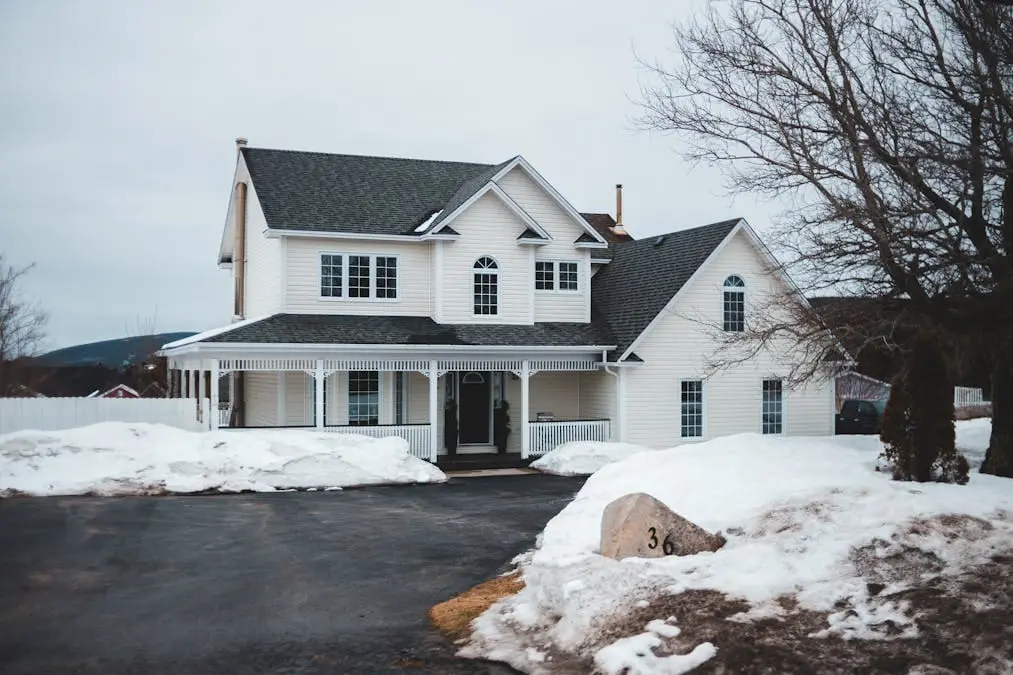
Ontario winters are no joke — especially for your home’s exterior. Freezing temperatures, snow buildup, and constant moisture put a lot of stress on painted surfaces. If your paint is already showing signs of wear, it may not hold up through another season.
But how do you know if it’s time to take action? In this guide, we’ll walk you through how to tell if your exterior paint will last through winter, based on visible signs, paint age, and the condition of your surfaces. And while it’s not your job to diagnose everything, understanding the red flags can help you take the next step, calling in professionals who can handle it before winter makes things worse.
Check for Peeling, Cracking, or Flaking Paint
The most obvious warning sign that your exterior paint won’t survive winter? It’s already coming off. If you see peeling, cracking, or flaking paint — especially near trim, siding joints, or sun-exposed areas — the protective coating has already failed.
Paint doesn’t just make your home look good; it serves as a barrier between your siding and the elements. When it begins to peel or crack, water can seep underneath, freeze, and expand, which leads to:
- Wood rot or softening
- Mold and mildew
- Further paint separation comes spring
This kind of surface failure is often more visible around window trim, fascia boards, or areas that get constant sun exposure. If the damage is widespread or spreading quickly, it’s time to get a professional painter on-site to assess whether repainting is needed before winter sets in.
Look for Faded or Dull Colour
Fading may not seem as urgent as peeling paint, but it’s an early sign that your exterior paint is starting to break down. Over time, UV rays degrade pigments and weaken the protective components in paint. This doesn’t just change how your house looks; it impacts how well the coating performs when harsh weather hits.
Here’s how to spot fading before it becomes a bigger problem:
- Colours that once looked bold now appear washed out
- Siding looks uneven in tone or chalky to the touch
- South- or west-facing sides fade faster due to sun exposure
Faded or chalky paint can also mean the surface is losing its ability to repel moisture, which is a serious concern once snow, freezing rain, and ice enter the picture. If you’re wondering how to tell if your exterior paint will last through winter, look closely at colour quality. It’s often the first thing to go.
Inspect Caulked Seams and Trim
Paint isn’t the only thing that protects your home — caulking plays a major role, too. It seals the gaps around windows, doors, and trim, keeping moisture and cold air from creeping in. If the caulking is cracked, brittle, or separating from the surface, your paint job may not make it through winter unscathed.
Here’s what to look for:
- Hairline cracks along the window or door trim
- Shrunken or separated beads of caulk
- Hard or brittle texture instead of a flexible sealant
- Visible gaps where siding meets edges
Once caulk fails, water finds its way behind siding or trim. In freezing conditions, that trapped moisture expands, causing paint to bubble or wood to warp. It’s also a leading cause of winter drafts and energy loss.
A professional painter will typically inspect and re-caulk all vulnerable seams as part of a full exterior painting service. If you’re unsure, it’s worth scheduling an evaluation before colder weather sets in.
Consider the Age of the Paint Job
Even if your exterior still looks decent from a distance, age matters, especially when you’re trying to determine how to tell if your exterior paint will last through winter. Most professional-grade exterior paint jobs are built to last 5 to 10 years, depending on climate, material, and prep quality. But once you cross that threshold, durability starts to decline fast.
Here’s how to factor paint age into your winter-readiness checklist:
- If it’s been 7+ years, schedule an inspection before winter, regardless of appearance
- If you don’t know when it was last painted, look for early signs of wear (like fading or hairline cracks)
- Homes exposed to harsh sunlight or frequent storms may need repainting sooner than the average lifespan
Even the best products eventually break down — and if you’re already nearing the end of your paint’s life cycle, it’s better to repaint before winter hits, not after it’s caused deeper damage.
Why Winter-Ready Paint Systems Matter
Even if your current paint looks okay, not all products are designed to stand up to freezing temperatures, moisture, and UV exposure. That’s why professional painters use winter-ready paint systems — products that include high-performance primers, flexible coatings, and weather-resistant finishes that hold up against Ontario’s harsh conditions.
These systems often include:
- Elastomeric coatings that expand and contract with temperature changes
- Mildew- and mold-resistant additives to prevent moisture damage
- Low-temperature formulations that cure properly even in cooler weather
The right products — applied by experienced pros — make the difference between a quick seasonal fix and long-term protection. If your current exterior hasn’t been coated with cold-weather-appropriate materials, it may be time for a professional update before the first freeze.
What to Do Before the First Freeze
If your home is showing any of the warning signs listed above, now is the time to act, not after the snow flies. Paint is your home’s first line of defense against water, cold, and winter damage, but it only works if it’s in good condition. Fortunately, identifying trouble early gives you a chance to fix it before the season takes its toll.
Here’s a quick recap of how to tell if your exterior paint will last through winter:
- Peeling, cracking, or flaking paint means the barrier is already compromised
- Faded or chalky colour signals that UV and weather have worn down the protection
- Failing caulking leaves gaps for moisture to enter and freeze
- Soft or spongy wood suggests water has already made its way under the surface
- Paint that’s 7–10 years old is due for professional inspection, even if it looks okay
If you’re noticing one or more of these issues, don’t wait for winter to decide for you. A quick assessment now can prevent more extensive repairs later, and a qualified painting crew will let you know whether a full repaint is necessary or if minor maintenance will suffice. Contact us today to find out what suits your exterior project best.