

What Causes Exterior Paint to Fail Prematurely
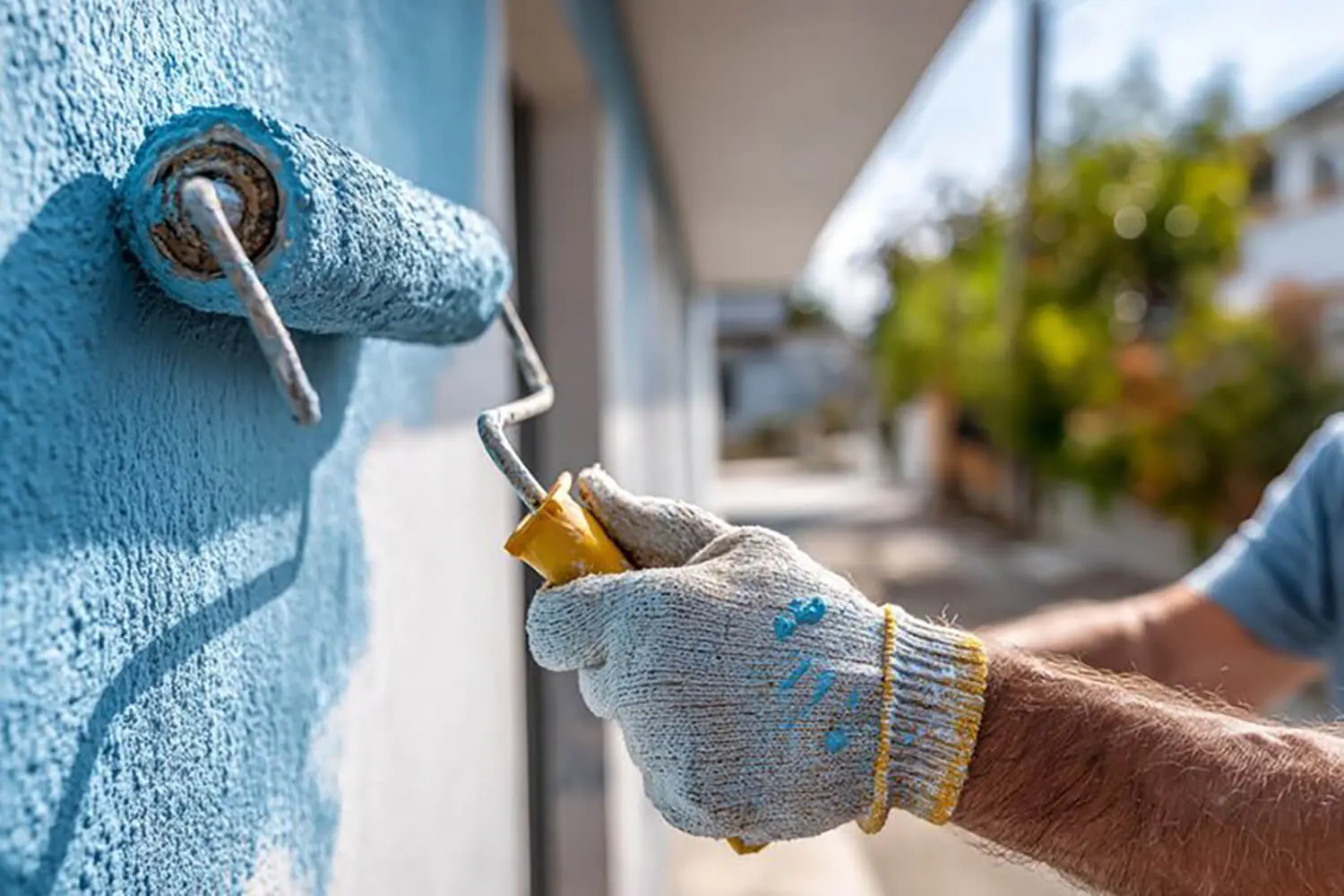
Exterior paint is designed to protect your home for many years, but sometimes it begins to peel, crack, or fade much sooner than expected. When paint starts deteriorating early, it can be frustrating for homeowners who assumed the job would last far longer.
Understanding what causes exterior paint to fail prematurely is important because the problem usually stems from specific conditions rather than the paint itself. Factors like surface preparation, moisture, weather exposure, and application methods all play a role in how well paint performs over time.
When these elements are handled properly, exterior paint can maintain its appearance and protective qualities for many years. However, when something goes wrong during preparation or application, the results often show up quickly through peeling, bubbling, or uneven fading.
Learning about the most common exterior paint failure causes can help homeowners identify why their paint is breaking down and avoid repeating the same issue during future projects. In this guide, we’ll explore the key reasons exterior paint sometimes fails earlier than it should and explain the conditions that contribute to premature exterior paint failure.
Poor Surface Preparation Before Painting
One of the most common reasons exterior paint fails early has nothing to do with the paint itself. In many cases, premature problems occur because the surface was not properly prepared before the new paint was applied.
Paint needs a clean, stable surface to bond correctly, which is why proper surface preparation plays such a critical role in long-term paint performance. If dirt, old paint, or residue remains on the siding, the new coating may not adhere well and can begin to peel or blister over time.
Several preparation issues commonly contribute to exterior paint failure causes.
- Painting over dirt, dust, or mildew can trap contaminants between the surface and the paint, preventing proper adhesion and eventually causing peeling or bubbling.
- Skipping pressure washing or deep cleaning allows years of grime, pollen, and chalky residue to remain on the siding, which weakens the bond between the surface and the paint.
- Failing to sand peeling or rough areas leaves unstable layers underneath the new paint, meaning the fresh coat may eventually peel away along with the old paint.
- Not using primer where it is needed can lead to poor adhesion, especially on bare wood, repaired areas, or porous surfaces that require proper sealing before painting.
When preparation is rushed or skipped, the paint may initially look fine but begin showing signs of deterioration much sooner than expected. Proper surface preparation is one of the most important steps in preventing premature exterior paint failure.
Moisture Problems Behind or Beneath the Paint
Moisture is one of the most common and damaging factors behind premature exterior paint failure. Even the highest-quality paint can begin to blister or peel if water becomes trapped behind the surface.
Exterior paint forms a protective barrier, but when moisture pushes from underneath the paint layer, it can break that bond and force the coating away from the siding. This often leads to bubbling, cracking, or sections of paint lifting off the surface.
Several moisture-related issues commonly contribute to exterior paint failure causes.
- Leaky gutters or overflowing downspouts can allow water to run directly along siding surfaces, gradually working its way behind the paint layer.
- Poor drainage around the home’s foundation can keep lower siding areas consistently damp, creating conditions where paint struggles to stay adhered.
- High humidity exposure can cause moisture to accumulate in wood siding or trim, especially in shaded areas that do not dry quickly.
- Water infiltration behind siding can occur when small cracks, gaps, or failing caulking allow moisture to seep into the structure beneath the paint.
When moisture problems are present, repainting alone will not solve the issue. Identifying and correcting the source of water exposure is essential before applying new paint to prevent the same problems from returning.
Harsh Weather and Environmental Exposure
Exterior paint is constantly exposed to the elements, which means weather conditions play a major role in how long a paint job lasts. Over time, repeated exposure to sunlight, rain, wind, and temperature changes can gradually weaken the protective coating on a home’s exterior.
One of the biggest environmental factors is ultraviolet radiation from the sun. UV rays slowly break down paint pigments and binders, causing colours to fade and the surface to lose its protective strength. Homes that receive direct sunlight throughout the day often experience faster wear than shaded areas.
Temperature fluctuations can also contribute to paint deterioration. Exterior materials expand and contract as temperatures rise and fall, which places stress on the paint film. Over time, this movement can lead to cracking, splitting, or separation from the surface.
In colder climates, freeze–thaw cycles add another layer of stress. Moisture can enter small gaps or porous areas of siding, then expand when it freezes. As this process repeats, it weakens the paint layer and may eventually cause peeling or flaking.
Wind and rain also play a role in gradually wearing down exterior surfaces. Driving rain can force moisture into small openings, while strong winds may carry dust and debris that slowly erode the finish. Together, these environmental pressures can accelerate paint deterioration and contribute to premature exterior paint failure.
Low-Quality Paint or Incorrect Products
Not all exterior paints perform the same. The quality of the materials used plays a major role in how long a paint job lasts and how well it protects the surface underneath.
Lower-quality paints often contain fewer binders and protective additives. While they may initially look similar to premium products, they typically break down faster when exposed to sunlight, moisture, and temperature changes.
As paint begins to degrade, the surface may start to fade, chalk, or lose its protective strength. Over time, this deterioration can lead to cracking or peeling, especially in areas exposed to direct weather conditions.
Using the wrong type of paint for a specific surface can also contribute to exterior paint failure causes. Different materials expand, contract, and absorb moisture in different ways, which means the coating must be compatible with the surface it is protecting.
For example, wood siding, stucco, fiber cement, and vinyl each require coatings designed to work with their specific characteristics. When incompatible products are used, the paint may struggle to bond properly or may not flex with the material as conditions change.
Selecting high-quality paint designed for the home’s exterior surface helps improve durability and resistance to weather. When the right products are used from the beginning, the paint is far more likely to maintain its appearance and protective qualities over time.
Improper Painting Techniques
Even when the right paint and preparation steps are used, the way the paint is applied can still affect how long the finish lasts. Application techniques influence how well the coating bonds, cures, and protects the surface.
When painting methods are rushed or inconsistent, the paint film may not develop the strength it needs to withstand weather and environmental stress.
Common technique-related issues that contribute to premature exterior paint failure include:
- Applying paint too thin can leave surfaces underprotected, allowing moisture and sunlight to break down the coating faster than expected.
- Applying paint too thick can prevent the coating from curing properly, which may cause wrinkling, cracking, or peeling as it dries.
- Skipping recommended drying time between coats can trap solvents and moisture beneath the surface, weakening the overall paint layer.
- Using the wrong tools for the surface, such as improper rollers or brushes, can create uneven coverage and inconsistent adhesion.
- Applying too few coats can reduce durability, especially on exposed areas that require multiple layers for proper protection.
Professional painters follow specific application guidelines to ensure the paint bonds evenly and cures correctly. When proper techniques are used, the finished coating forms a more durable barrier against weather and wear.
Painting in the Wrong Weather Conditions
Weather conditions at the time of painting can significantly affect how well exterior paint cures and adheres to the surface. Applying paint under the wrong environmental conditions can cause even high-quality paint to struggle to perform properly.
Temperature plays a major role in how paint dries and bonds. Applying paint when temperatures are too low can significantly delay curing or prevent the paint from curing properly. This can lead to weak adhesion and early peeling.
Excessive heat can also create problems. When surfaces become too hot, paint may dry too quickly before it has time to bond with the material underneath. This rushed drying process can reduce durability and lead to cracking or uneven coverage.
Humidity is another important factor. High moisture levels in the air slow down the drying process and can prevent paint from forming a strong, consistent film. In some cases, moisture may become trapped beneath the coating, increasing the risk of premature exterior paint failure.
Rain can also interfere with the curing process. If rain occurs before the paint has fully dried, it may wash away partially cured paint or create streaking and surface defects.
Because of these factors, professional painters typically monitor weather forecasts carefully and choose the right exterior painting timing when temperature, humidity, and precipitation conditions are most favourable.
Underlying Structural or Siding Issues
Sometimes underlying issues cause paint to fail rather than the paint or the application process itself. Problems with the surface underneath can prevent paint from bonding properly and lead to early deterioration.
When siding or trim has hidden damage, paint may initially appear to adhere well. Over time, however, movement, moisture, or material breakdown can cause the coating to crack, peel, or separate from the surface.
Several structural conditions can contribute to exterior paint failure causes.
- Rotting wood can weaken the surface structure, making it difficult for paint to bond securely and causing sections of paint to peel away.
- Damaged or deteriorating siding may shift or expand unevenly, which places stress on the paint film and leads to cracking.
- Old layers of failing paint left underneath new coatings can cause the fresh paint to lift or peel as the underlying layers break down.
- Expansion and contraction of building materials can create movement that gradually separates the paint from the surface.
- Cracks or gaps in siding or trim can allow moisture to enter behind the paint, eventually causing bubbling or peeling.
When these types of issues are present, repairing the underlying material is essential before repainting. Addressing structural concerns first helps ensure the new paint can properly adhere and perform as intended.
Lack of Routine Exterior Maintenance
Even a well-applied paint job benefits from occasional upkeep. Without basic maintenance, small issues can gradually grow into conditions that lead to premature exterior paint failure.
Over time, exterior surfaces collect dirt, pollen, and environmental residue. If these materials remain on the surface for long periods, they can slowly break down the paint film or trap moisture against the siding.
Regular inspections also help catch early warning signs before they become larger problems. Small cracks, gaps, or worn areas in the paint may allow water to reach the surface underneath, which can eventually lead to peeling or blistering.
Simple maintenance habits can significantly extend the life of exterior paint:
- Cleaning exterior siding periodically helps remove dirt, mildew, and debris that can weaken the paint over time.
- Repairing small cracks or gaps in siding and trim prevents moisture from entering behind the paint layer.
- Maintaining gutters and downspouts helps control water flow so siding does not remain damp after rainfall.
- Inspecting painted surfaces once or twice a year allows homeowners to identify minor wear before it develops into larger paint damage.
Routine care helps preserve the protective barrier that exterior paint provides. By addressing small issues early, homeowners can often prevent the conditions that contribute to exterior paint failure causes.
Wrap-Up: How to Prevent Exterior Paint Problems
When exterior paint begins peeling, cracking, or fading earlier than expected, there is usually an underlying reason. Understanding what causes exterior paint to fail prematurely helps homeowners identify the source of the problem and avoid repeating the same issues during future projects.
Early paint breakdown often occurs when preparation, moisture exposure, environmental conditions, or the materials used during painting create problems. When painters fail to clean and prepare surfaces properly, the paint may struggle to bond. Moisture intrusion, harsh weather, and structural movement can also place stress on the paint film and shorten its lifespan.
Other factors such as low-quality paint, improper application techniques, or painting during unfavorable weather conditions can further contribute to premature exterior paint failure. Over time, even small issues can gradually weaken the coating and lead to visible deterioration.
Careful preparation, the use of proper materials, and attention to the condition of the surfaces being painted help prevent these problems. Addressing moisture issues, repairing damaged siding, and following recommended application practices all help improve durability.
If your home’s exterior paint is showing signs of peeling, cracking, or fading, it may be time to address the underlying issues before repainting. At Marleau Action Maintenance, we focus on proper surface preparation, quality materials, and careful application to help ensure a durable finish. If you’re planning an exterior project or want a professional assessment of your current paint, we’re here to help. Check out our exterior painting services to learn how we can restore and protect your home’s exterior.