

Should You Paint Your House Exterior in the Fall or Wait Until Spring?
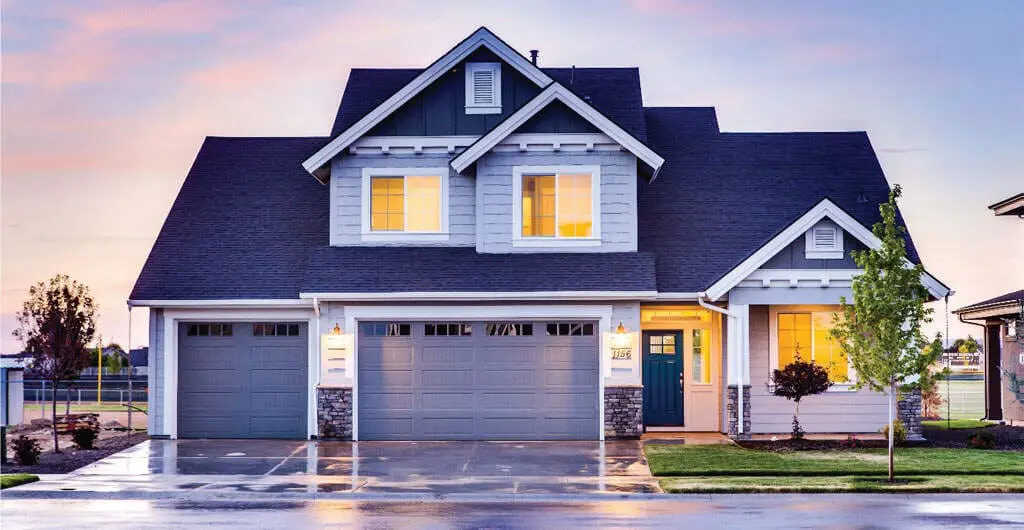
When it comes to painting the exterior of your home, timing isn’t just about convenience it can affect how long your paint job lasts, how well it adheres, and how much you pay. For many homeowners, the question is simple but important: should you paint your house exterior in the fall or wait until spring?
While spring has traditionally been considered the go-to season for exterior home improvements, fall has quietly earned a reputation among professionals as a smart, often overlooked alternative. Understanding the trade-offs between these two seasons can help you make a decision that protects your home and your investment.
Let’s take a closer look at the pros and cons of each.
Fall Painting: Why It Might Be the Smarter Option
Fall might not be the first season that comes to mind when planning exterior home updates, but professional painters know it’s often one of the most reliable windows for quality results. If you’re weighing the decision if you should paint your house exterior in the fall or wait until spring — it’s worth considering why fall might actually give you the upper hand.
During the early fall months, temperatures tend to be cooler but still consistently warm enough for exterior paint to cure properly. Unlike summer, where extreme heat can cause paint to dry too fast and compromise adhesion, fall provides more moderate conditions that support a smooth, even finish.
Humidity also plays a role. In most parts of Ontario, including Whitby, fall air is drier and more stable than in spring. That reduces the chances of moisture getting trapped beneath the paint film—one of the most common causes of premature peeling and blistering.
Here are a few other reasons professionals often recommend fall painting:
- Greater scheduling flexibility: Spring and summer book up quickly. Fall often gives you faster access to reputable contractors.
- Better working conditions: Painters can work longer hours without the fatigue or limitations caused by extreme heat.
- Lower risk of surface contamination: With fewer insects and less pollen in the air, your freshly painted exterior stays cleaner as it cures.
If your home’s exterior is already showing signs of wear like flaking, fading, or exposed wood fall may not just be a good option; it may be the best time to act before winter weather causes further damage.
Spring Painting: The Traditional Choice, but Not Always Ideal
Spring may be the most popular time for exterior home improvements, but that doesn’t mean it’s the most dependable. While warmer temperatures and longer daylight hours are ideal on paper, real-world conditions in early spring can create challenges for exterior painting, especially in Ontario’s climate.
Unpredictable weather is the biggest factor. Spring often brings increased rain, damp mornings, and temperature swings between day and night. Even if daytime highs are in a safe range, chilly overnight lows can interfere with curing, especially on surfaces that don’t get full sun.
Here’s what to consider before assuming spring is the right call:
Pros of spring painting:
- Longer daylight hours offer more flexibility for scheduling and working time.
- Temperatures are typically warm enough by late spring for consistent curing.
- Curb appeal is fresh just in time for landscaping or listing your home.
Drawbacks to keep in mind:
- Wet weather, humidity, and dew can delay start times or extend drying.
- Sudden cold snaps may affect paint performance or cause project delays.
- High demand means reputable painters often book out months in advance.
So, should you get your house exterior painted in the fall or wait until spring? Spring can certainly work but it requires early planning, flexible scheduling, and a painter who knows how to adapt to fast-changing conditions. Without those, spring may come with more risk than reward.
How to Know Which Season Is Best for Your Home
The best time to paint isn’t just about the calendar it’s about your home’s current condition and how soon it needs attention. If you’re asking whether you should get your house exterior painted in the fall or wait until spring, one of the most important considerations is what’s happening on your siding right now.
If your home is already showing signs of paint failure such as peeling, flaking, fading, or exposed wood delaying the project until spring could allow moisture to get into the substrate and cause damage that requires additional repairs.
Here are a few key factors to help you decide:
- Visible wear and tear: Paint that’s cracking or peeling likely won’t make it through winter without worsening.
- Timing around resale or listing: If you plan to sell in the next 6–12 months, getting ahead of the curve with fall painting can give your home a fresh, market-ready appearance.
- Climate consistency in your area: In places like Whitby, early fall still offers stable temperatures and dry days—ideal for exterior paint to cure properly.
- Your contractor’s recommendations: A reliable painter will assess more than just the season. They’ll look at how your current paint is holding up, how soon the surface needs protection, and whether there’s any structural exposure that can’t wait.
There’s no one-size-fits-all answer—but there is a right answer for your specific situation. And it often comes down to what your home needs now, not what the calendar says.
What a Professional Painter Will Evaluate First
Deciding when to paint your home’s exterior isn’t just about choosing a date on the calendar it’s about understanding the specific conditions that ensure the paint performs as it should. A professional painter takes a far more nuanced approach than simply checking the weather forecast.
Before recommending whether you should get your house exterior painted in the fall, a pro will look at:
- Surface condition: Flaking, chalking, or bare spots mean the home needs immediate attention, no matter the season.
- Daily temperature swings: While most premium exterior paints are designed for flexibility, dramatic shifts between day and night temps can still impact curing.
- Humidity and moisture: Even if it’s dry during the day, moisture trapped from overnight dew or poor ventilation can lead to bubbling or peeling if not properly addressed.
- Sun exposure and shade: North-facing walls that stay cold or shaded surfaces may require different timing or products than sunny areas.
- Product choice: Some paints are formulated for cold-weather application and will perform well even in fall temperatures, while others are best suited for warmer spring conditions.
This isn’t a one-size-fits-all decision. The best contractors don’t just look at the calendar—they evaluate your home’s unique situation to recommend the timing that will give you the longest-lasting results. That’s why booking a professional consultation is often the smartest first step when you’re weighing fall vs. spring.
The Right Time Is When the Conditions and the Crew Are Ready
Both fall and spring can be excellent times to repaint your home’s exterior—but only when the conditions are right. The question isn’t just if you should get your house exterior painted in the fall or wait until spring, but whether your home, the weather, and your painter are aligned to deliver lasting results.
If your siding is starting to fail now, waiting until spring may allow damage to worsen over winter. On the other hand, if your exterior is still in good shape and you’re working with a qualified pro who books early, spring might give you more time to plan.
Either way, your decision shouldn’t be based on assumptions about the season. It should come from a clear understanding of your home’s needs and a conversation with a painting expert who knows what to look for—and what to avoid.
If you’re not sure which direction to go, now’s the time to get an expert opinion. A professional painter can walk the exterior with you, assess the surface, and recommend the best next step—whether that means painting this fall or scheduling for spring while spots are still available.