

When Is It Too Hot to Paint a House Exterior in Whitby?
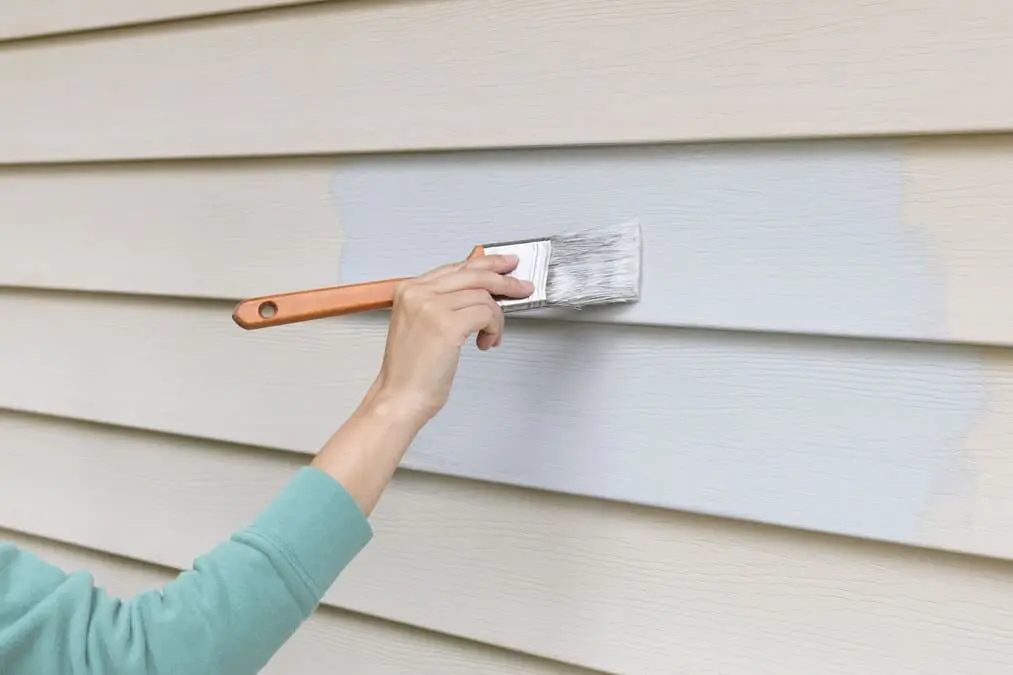
Most homeowners assume that warm, sunny weather is ideal for painting the exterior of a house. After all, clear skies and dry days feel like perfect conditions to get the job done. But when the temperature climbs too high — especially in places like Whitby, where summer heat and humidity can spike — paint doesn’t always behave the way you expect.
In fact, painting in high heat can lead to a range of problems, from poor adhesion to visible streaks and premature fading. Knowing when it’s too hot to paint is just as important as avoiding rain or cold snaps.
In this post, we’ll break down the ideal temperature range for painting, what happens when you exceed it, when is it too hot to paint a house exterior, and how to plan a successful exterior project even during Whitby’s hottest months.
The Ideal Temperature Range for Exterior Painting
When it comes to exterior painting, temperature affects more than just comfort — it directly impacts how well the paint bonds to the surface and how long it lasts. That’s why every quality paint manufacturer provides a recommended temperature range right on the label.
For most water-based and latex exterior paints, the ideal application temperature is between 10°C and 30°C (50°F to 85°F). Staying within this window helps ensure the paint doesn’t dry too fast or too slow, both of which can lead to problems.
But it’s not just about the air temperature.
Surface temperature matters just as much, if not more. Siding in direct sunlight can get much hotter than the surrounding air. On a 30°C day, your siding could easily reach 40–45°C, especially if it’s a dark colour or made of vinyl or aluminum.
Here are a few key points to keep in mind:
- Paint should never be applied to a surface hotter than 35°C (95°F). Above this, the paint can flash dry — forming a skin on the surface while staying soft underneath.
- Avoid painting during midday sun, even if the air temperature is technically within range. The sun can raise surface temps quickly, especially on south-facing walls.
- Cooler mornings and shaded areas are generally best for application, with late afternoons being a close second depending on exposure.
When in doubt, professionals use infrared thermometers to check the actual surface temp before starting. It’s a small step that prevents big headaches later.
What Happens When It’s Too Hot to Paint
Painting in high heat doesn’t just make the job uncomfortable — it can lead to a range of issues that affect how your paint looks and how long it lasts. When the temperature rises above a paint’s recommended range, the chemistry of the product starts to work against you.
Here are some of the most common problems that occur when it’s too hot to paint:
- Flash drying: Paint can dry on the surface before it has a chance to level out, leaving behind visible brush or roller marks.
- Blistering and bubbling: When paint dries too fast on the outside, trapped moisture or solvent underneath can cause bubbles to form and eventually pop.
- Poor adhesion: Rapid drying can keep paint from bonding properly to the surface, leading to premature peeling or flaking.
- Lap marks: If sections dry too quickly before you can blend into them, you’ll end up with darker or glossier streaks where the paint overlaps.
- Reduced working time: You’ll have less time to correct mistakes or maintain a wet edge, which is especially challenging on larger surfaces.
These aren’t just cosmetic issues — they shorten the lifespan of your paint job and often lead to costly rework down the line. That’s why professionals in Whitby (and anywhere with fluctuating summer heat) pay close attention to timing, surface temperature, and paint formulation.
How Whitby’s Summer Weather Affects Exterior Paint Jobs
Whitby summers are generally pleasant, but July and August often bring heat waves, high humidity, and long hours of sun exposure — all of which can complicate exterior painting. Even if the daily forecast shows moderate temperatures, it doesn’t tell the whole story.
What matters most is how Whitby’s summer climate impacts surface temperature and paint performance.
Here’s what local homeowners need to consider:
- Average highs in July and August often reach 27–30°C, with humidex values pushing it even higher.
- Surface temps on sunny days can be 10–20°C warmer than the air — meaning your siding could hit 40°C+ by midday.
- Humidity affects drying times, sometimes making the top layer dry before the rest has fully cured — a setup for peeling or blistering later.
- Evening storms or dew can interfere with curing if paint was applied too late in the day.
For example, a 28°C afternoon in Whitby might seem safe — but if you’re painting a dark-coloured siding in full sun, the actual surface could be far above that. That’s where premature drying, bubbling, and adhesion failure can start.
To work around this, experienced painters plan their projects based not just on weather forecasts, but also on sun exposure, orientation of the home, and hourly shade patterns. It’s not about avoiding summer altogether — it’s about knowing how to time the work smartly within it.
Pro Tips for Beating the Heat
Painting in the summer doesn’t mean you’re out of options — it just means you need to plan strategically.
Here are a few practical tips that professionals follow to ensure smooth, even coverage — even on a warm day:
- Paint early in the morning or late afternoon – These cooler windows help avoid peak heat and reduce surface temperature, especially on south- and west-facing walls.
- Follow the shade – Work their way around the house with the sun, painting only the sides that are in shade. This keeps surfaces cooler and extends drying time.
- Use paint formulated for warm weather – Some premium exterior paints are designed with slower drying agents that help resist flash drying, even in the sun.
- Check surface temperature – Use an infrared thermometer to make sure your siding isn’t too hot to paint — a quick scan can save major adhesion issues later.
- Keep their tools and paint cool – Store paint cans in the shade and avoid letting brushes or rollers bake in the sun between coats. Hot tools can affect how the paint flows onto the surface.
- Watch the wind and humidity – Hot, windy days can dry paint too fast, while sticky humidity can interfere with curing. It’s best to choose mild, dry, calm days for the smoothest application.
Professional painters in Whitby often plan their summer schedules around microclimates and weather patterns — adjusting start times, product choices, and even paint colours to ensure everything performs well under heat.
Timing and Technique Matter More Than Temperature Alone
Warm weather may seem like the perfect time to refresh your home’s exterior, but there’s a fine line between ideal conditions and too-hot-to-handle. When temperatures climb — especially on sunny Whitby afternoons — even quality paint can fail if applied at the wrong time or in the wrong way.
The good news? With the right timing, tools, and product choices, you can still get beautiful, long-lasting results in the summer.
Here’s a quick recap to guide your planning:
- Aim for air temps between 10°C and 30°C
- Avoid painting in direct sunlight or on hot surfaces
- Watch for surface temperatures above 35°C
- Work in shade and paint in cooler hours of the day
- Choose paints made to withstand warmer weather
If you’re unsure whether it’s too hot to paint — or want help figuring out the best time to schedule your project — talking to a pro can help you avoid the risks and get better, longer-lasting results.
Hot weather doesn’t have to stop your summer paint plans — but it does call for a bit of strategy. If you’re looking to update your exterior this season, the smartest place to start might be with a quick check on timing. Whether you’re unsure about surface temps or just want the job done right the first time, it’s worth getting a second opinion before the brush hits the wall.