

What Causes Uneven Paint Coverage on Interior Walls
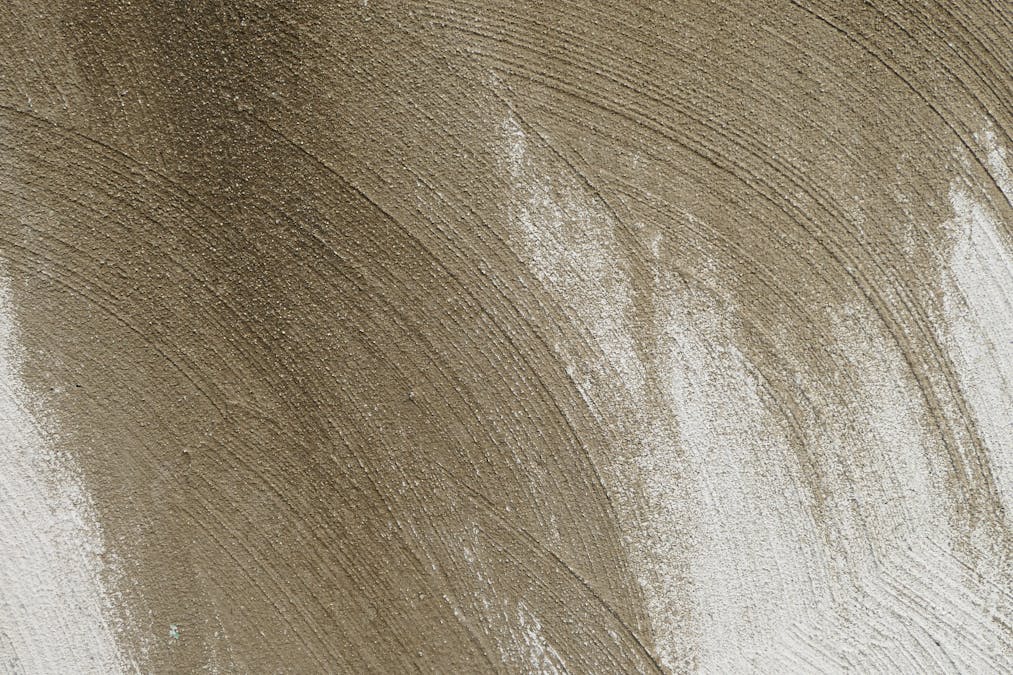
You step back to admire your freshly painted walls — only to spot streaks, roller lines, or odd blotches as the paint dries. Sound familiar?
Uneven paint coverage is one of the most common frustrations homeowners face when tackling an interior repaint. Even when you buy decent paint and take your time, it’s surprisingly easy to end up with patchy results. And once you see it, you can’t unsee it — especially in natural light or certain angles.
The problem isn’t always about being careless. Often, uneven paint comes down to surface prep, lighting, the wrong tools, or unrealistic expectations about what a single coat can accomplish. In this guide, we’ll break down the most common causes and explain how professionals avoid them — so you can get results you’re actually proud of.
Skipping Surface Prep
Uneven paint coverage usually begins with a surface that wasn’t properly cleaned, patched, or primed. You might not notice the issue until the paint starts drying, but at that point, it’s already too late — the damage is done.
Before you open the can, consider what might be lurking on your walls:
- Dust, grease, or residue from cooking, hands, or furniture can keep paint from sticking evenly.
- Old finishes, especially semi-gloss or oil-based layers, can resist water-based paints and cause sliding or flashing.
- Drywall patches or spackle often absorb paint differently than the surrounding areas if they’re not properly primed.
These surface inconsistencies create a situation where some areas soak up paint faster than others, leading to dull patches or sheen variations, especially in angled light.
That’s why professional painters invest time upfront to clean, dull, patch, and prime as needed. They know the finish is only as good as the surface underneath. If you skip this step or rush it, your paint job may look blotchy from day one and only get worse over time.
Using the Wrong Paint or Tools
Even with a perfectly prepped wall, the wrong paint or roller can sabotage your results. Inconsistent coverage, lap marks, or an uneven finish are often signs that something in the materials just wasn’t right for the job.
Let’s look at the two biggest mistakes:
Using low-quality paint
Inexpensive or “builder-grade” paints tend to have lower pigment content, which means they don’t hide surfaces well. You’ll often need more coats — and even then, the colour can look washed out or uneven. Some budget-friendly paints also dry too fast or too thin, which makes streaking more likely.
Professionals typically use high-hide formulas with better colour retention and uniform finish. While they may cost more up front, they reduce the number of coats needed and deliver longer-lasting results.
Choosing the wrong tools
Paint rollers come in different nap lengths for a reason. A short-nap roller is great for smooth walls but won’t carry enough paint for textured drywall. A thick nap holds more paint, but can leave roller marks if you’re not careful.
Brushes also matter. Low-quality bristles or the wrong size can leave behind visible lines, drag marks, or inconsistent coverage in tight spaces.
For best results, painters match their tools to the surface texture, paint type, and layout of the room. That’s part of the prep — and it shows in the finish.
Poor Lighting or Inconsistent Application
If you’ve ever walked into a room and noticed streaks that weren’t visible while you were painting, lighting was likely the problem.
Painting in low light — or light that shifts across the day — can make it hard to see missed spots, uneven edges, or lap lines until everything’s dry. And by then, correcting the mistake often means repainting the entire wall.
Here are a few common issues caused by lighting and technique:
- Missed patches where you didn’t see dry spots or thin coverage during application
- Lap marks caused by overlapping partially dried paint
- Overworking the roller, which leads to texture differences and dull-looking areas
Professionals often bring in supplemental lighting (or time their work with daylight) to make sure every inch of the surface is evenly coated. They also apply paint in controlled sections, keeping a “wet edge” to prevent lines from forming where old and new strokes meet.
Even pressure and consistent rhythm matter too. Press too hard on one pass, and you’ll deposit more paint than needed. Roll too lightly the next time, and you’ll see a visible difference once it dries.
Trying to Cover Too Much With One Coat
Most homeowners hope to finish in one coat — and understandably so. But unless you’re painting a similar colour over a primed, evenly toned wall, one coat almost never gives full, even coverage.
Even high-quality paint typically needs two coats for the best visual consistency and durability.
Here’s why first coats often fall short:
- Colour change: Painting a light colour over a dark one (or vice versa) will usually leave the old tone bleeding through.
- Different surface porosity: Patched or sanded areas soak up more paint, creating dull spots.
- Roller overlap: Even tiny inconsistencies in the first layer show up once dry.
Professionals plan for this — and they don’t consider the job done after one coat unless the finish meets both aesthetic and technical standards. They also allow for proper drying time between coats, which helps ensure a uniform sheen and lasting result.
If you’ve ever been disappointed by how a wall looks once the paint sets, chances are it simply needed another layer to even things out.
Get the Results You Expect, Not the Frustration You Didn’t
Patchy walls are more than just a cosmetic annoyance — they’re usually a sign that something was missed along the way. Whether it’s a skipped prep step, the wrong roller, or trying to rush a one-coat job, most uneven paint issues can be avoided with proper planning and professional technique.
To recap, here’s how to prevent uneven coverage:
- Clean and prep the surface before anything else
- Use high-quality paint and tools suited for the room
- Work in good lighting and maintain a wet edge
- Apply at least two coats for proper colour and sheen
- Let each coat dry fully before judging the final result
If your walls aren’t looking the way you hoped, you’re not alone. Uneven paint happens more often than most people think — but it’s also easy to fix with the right tools, timing, and a bit of expert know-how.
Whether you’re planning a fresh coat or trying to clean up a patchy finish, getting advice from a professional can make all the difference. We’re happy to talk through your space and help you figure out the best next step — no pressure, just answers.