

Should You Repaint or Repair Exterior Surfaces?
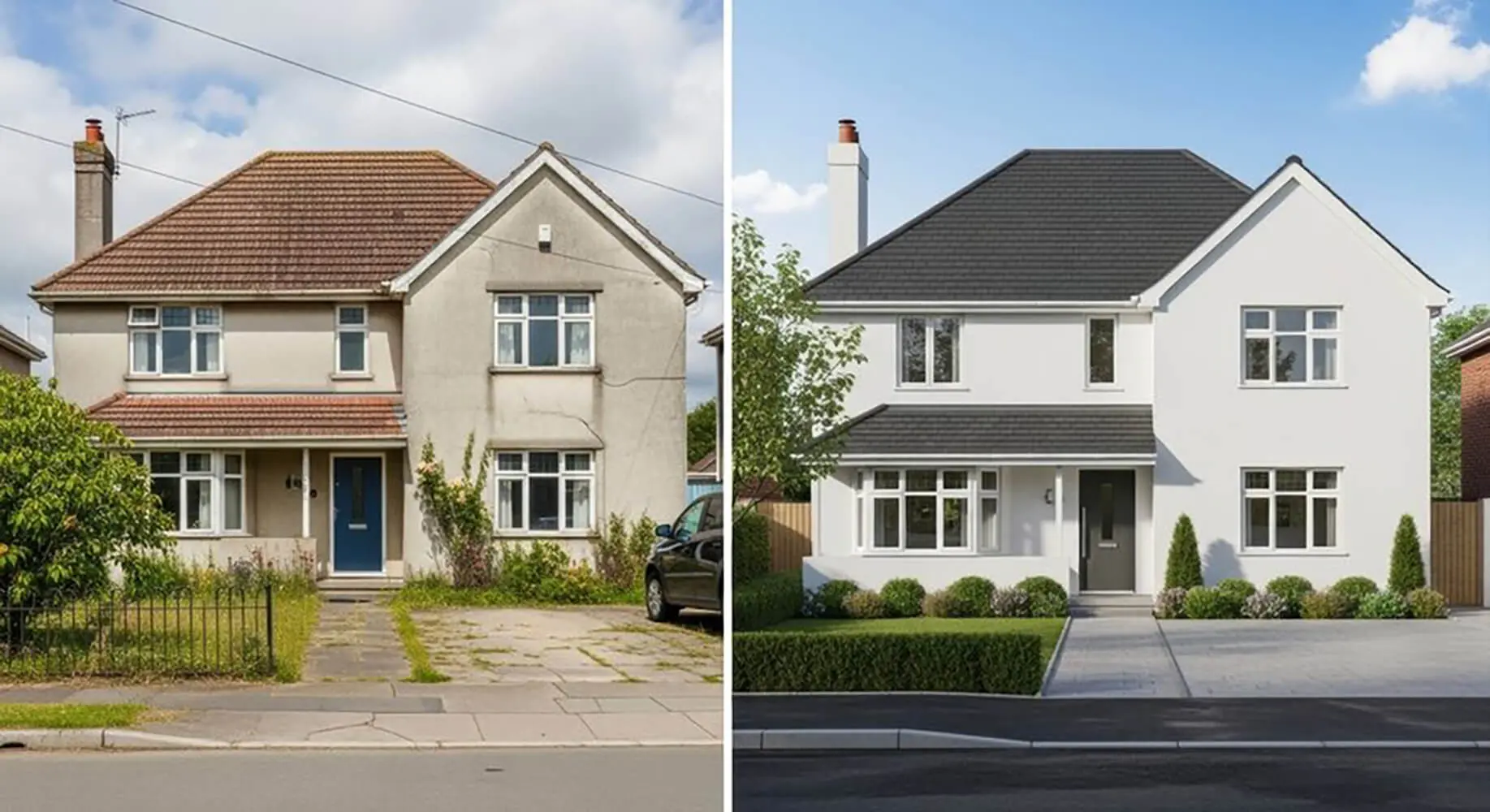
Exterior surfaces take a constant beating from the elements. Sun exposure, moisture, wind, and seasonal temperature changes gradually wear down paint and the materials underneath it. Over time, homeowners may begin noticing peeling paint, faded colour, small cracks, or other visible signs of ageing.
When these issues appear, many people start asking the same question: should you repaint or repair exterior surfaces? The answer is not always straightforward. In some cases, a fresh coat of paint is enough to restore the appearance and protection of your home. In other situations, the surface itself may need repairs before repainting can even be considered.
Choosing the wrong solution can lead to wasted money or recurring problems. Painting over damaged materials may cause the new paint to fail quickly, while unnecessary repairs can add costs that might not have been needed.
Understanding the difference between repainting and repairing helps homeowners make more informed decisions about maintenance and long-term care.
This guide explains how to recognize the signs of surface wear, what types of damage require repair, and how to evaluate whether repainting alone will solve the problem.
Understanding the Difference Between Repainting and Repairing Exterior Surfaces
Before deciding how to address exterior wear, it helps to understand what repainting and repairing actually involve. While both improve the condition of your home’s exterior, they solve very different types of problems.
Repainting focuses on renewing the protective and visual layer of paint. The process usually includes several preparation steps before the new paint is applied.
A typical exterior repainting process includes:
- Cleaning the surfaces to remove dirt, mildew, and chalking
- Scraping or sanding loose or peeling paint
- Priming exposed areas to help new paint adhere properly
- Applying fresh coats of exterior paint for protection and appearance
Repainting is primarily a maintenance task. It restores curb appeal, improves weather protection, and extends the life of exterior materials when the underlying surfaces remain structurally sound.
Repairing exterior surfaces addresses physical damage to the materials themselves. Instead of focusing on paint, repairs target the condition of the siding, trim, or other exterior components.
Exterior repairs may involve:
- Replacing rotted or deteriorated wood
- Filling cracks or holes in siding or trim
- Securing loose boards or panels
- Fixing gaps that allow moisture to enter
In many situations, the real decision is not repainting versus repairing, but determining whether the surface damage is cosmetic or structural. Cosmetic issues often benefit from repainting, while structural deterioration requires repair before any paint is applied.
This is why homeowners often evaluate repaint vs repair exterior surfaces together. Paint protects the surface, but it cannot correct damage that already exists beneath it.
Understanding this distinction helps prevent a common mistake: applying new paint over materials that actually need repair first.
Signs Your Exterior Surfaces Only Need Repainting
Not every exterior issue means something is structurally wrong with your home. In many cases, the materials underneath the paint remain in good condition, and the problem is simply that the paint has reached the end of its lifespan.
Paint naturally wears down over time due to sun exposure, temperature changes, and weather. When this happens, the surface may begin to look tired or uneven even though the siding or trim underneath is still solid. In many cases, homeowners begin debating between small fixes and a larger refresh, which is why it helps to understand the difference between touch-ups or full repaint situations.
Several common signs suggest that repainting is likely the right solution.
Fading or dull paint is often caused by long-term sun exposure. Ultraviolet rays gradually break down paint pigments, especially on surfaces that receive direct sunlight throughout the day. When the colour begins to fade or lose its vibrancy, repainting can restore a clean, refreshed appearance.
Minor peeling or flaking paint is another common sign of aging paint. As older paint layers lose adhesion, small areas may begin to lift or chip. If the surface underneath remains solid and undamaged, proper preparation followed by repainting can correct the issue.
Chalking can also occur as paint ages. Some exterior paints develop a fine powdery residue that transfers when touched. This happens as the paint binder slowly breaks down from weather exposure. Cleaning the surface and applying fresh paint usually resolves the problem.
Surface discolouration or staining may develop from dirt, pollution, algae, or other environmental factors. While these stains can make the exterior look worn, they do not necessarily indicate damage to the material underneath.
In situations like these, repainting helps restore the appearance of the home while adding a new protective layer against sunlight, moisture, and weather.
When Exterior Surfaces Should Be Repaired Before Painting
While repainting can resolve many cosmetic issues, some exterior problems go beyond the paint layer. When the material underneath becomes damaged or begins to deteriorate, repairing the surface first is necessary before applying new paint.
Painting over damaged areas may temporarily improve the appearance, but the underlying issue usually remains. Over time, the new paint can begin peeling, cracking, or bubbling because the surface beneath it was never properly restored.
Several warning signs indicate that repairs should come before repainting.
Wood rot is one of the most common issues found on exterior trim, siding, and window frames. Rot develops when moisture penetrates the material and breaks down the wood fibers. Soft, crumbling, or spongy wood typically needs to be repaired or replaced before repainting can begin.
Cracked or damaged siding is another sign that repairs may be needed. Visible splits, holes, or loose sections allow moisture to reach the structure behind the siding. Fixing these areas helps prevent further deterioration.
Large areas of peeling paint can also suggest deeper moisture problems. When moisture becomes trapped beneath the paint, it can cause extensive peeling or bubbling. In these cases, the source of the moisture should be identified and repaired before repainting.
Gaps or deteriorated trim around windows, doors, and corners can also create issues. These openings allow water to enter areas that should remain sealed. Caulking, patching, or replacing damaged trim helps restore the surface before paint is applied.
When damage like this is present, repairing the surface first ensures the new paint can adhere properly and provide lasting protection.
Factors That Influence the Decision Between Repainting or Repairing
Once exterior wear appears, deciding whether to repaint or repair depends on several practical factors. The condition of the materials, the extent of damage, and the home’s exposure to weather all influence which option is most appropriate.
One of the first things to evaluate is the age and condition of the exterior materials. Siding, trim, and other surfaces naturally deteriorate over time. If the materials remain solid and the problem is limited to fading or peeling paint, repainting is often enough. If the materials themselves show signs of rot, cracking, or deterioration, repairs should be completed first.
The extent of visible damage is another key factor. Small patches of peeling paint or minor cosmetic wear can usually be resolved through proper preparation and repainting. Larger areas of damage may indicate deeper issues that require repairs before new paint is applied.
Weather exposure also affects the decision. Homes exposed to strong sunlight, heavy rain, or frequent temperature changes often experience faster paint breakdown. In these situations, repainting may be needed more often even when the underlying surfaces remain in good condition. However, long-term moisture exposure can sometimes lead to structural damage that requires repair.
Maintenance history can also influence the decision. Homes that have been repainted regularly tend to experience fewer structural issues because the paint layer continues protecting the materials underneath. When repainting is planned at the right intervals, homeowners usually have a clearer idea of typical painting timelines and what to expect from the project.
Cost and long-term durability are also important considerations. Repainting is generally less expensive, but skipping needed repairs can cause paint to fail prematurely. Addressing underlying damage first helps ensure the new paint performs as intended and lasts for years.
Why Professional Inspection Helps Determine the Best Solution
In many cases, the condition of exterior surfaces is not always obvious at first glance. What looks like simple paint wear may actually hide deeper issues beneath the surface. This is why a professional inspection can be valuable when deciding how to address exterior maintenance.
Experienced painters are trained to evaluate both the paint layer and the materials underneath it. During an inspection, they typically look for signs of moisture damage, surface deterioration, and structural concerns that might not be immediately visible.
A professional evaluation often includes checking for:
- Soft or deteriorating wood that may indicate hidden rot
- Areas where moisture may be entering the siding or trim
- Loose boards, cracked siding, or weakened exterior materials
- Large sections of failing paint that could signal underlying problems
Identifying these issues early helps prevent a common mistake: applying new paint over damaged surfaces. Even high-quality paint cannot perform properly if the surface beneath it is unstable or compromised.
Professionals also assess the level of preparation required before painting. Proper preparation may involve scraping loose paint, sanding rough areas, sealing gaps, and priming exposed surfaces. These steps help create the stable foundation needed for a long-lasting paint job.
For homeowners trying to decide should you repaint or repair exterior surfaces, this type of evaluation can provide helpful clarity. Instead of guessing at the cause of visible wear, a professional assessment identifies whether repainting alone will resolve the issue or if repairs should be completed first.
By addressing problems at the source, homeowners can protect their investment and ensure the exterior finish performs well over time.
How to Decide Whether to Repaint or Repair Exterior Surfaces
Exterior surfaces naturally show signs of wear over time, but not every issue requires the same solution. Understanding the difference between cosmetic paint wear and deeper material damage helps homeowners choose the right approach.
In many situations, repainting is the appropriate step when the underlying surfaces remain in good condition. Fading colour, minor peeling, chalking, or general aging are all common signs that a new coat of paint can restore both appearance and protection.
However, when the materials beneath the paint begin to deteriorate, repairs become necessary before repainting can take place. Problems such as wood rot, damaged siding, large areas of peeling paint caused by moisture, or deteriorated trim often indicate that the surface itself needs attention first.
Evaluating a few key factors can help guide the decision:
- The overall condition of the siding and trim
- The extent of visible damage
- Exposure to moisture and weather
- The home’s maintenance history
When the surface is structurally sound, repainting can extend the life of exterior materials and refresh the look of the home. When damage is present, completing repairs first helps ensure the new paint will adhere properly and last as expected.
If your home’s exterior is starting to show signs of wear, the team at Marleau Action Maintenance can help. We assess the condition of your siding, trim, and other exterior surfaces to determine whether repainting alone will restore the finish or if repairs should be completed first. Our exterior painting services focus on proper preparation, durable materials, and careful application so your home stays protected and looks its best. Contact us to schedule an exterior painting consultation and get expert guidance on the right next step for your home.