

Signs Your Deck Needs to Be Repainted
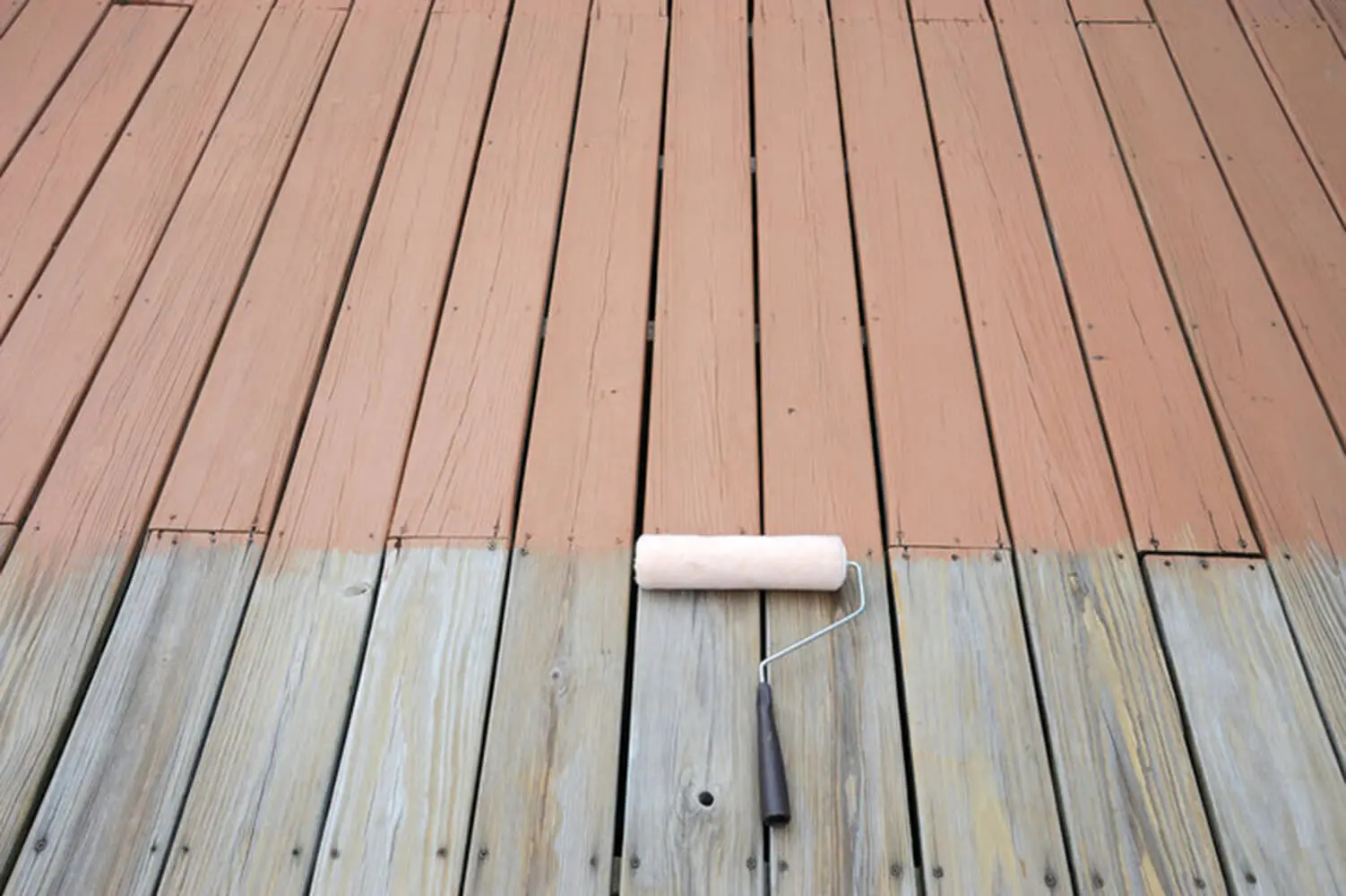
If you’ve noticed your deck’s paint looking a little different lately, you’re probably wondering whether it’s just wear from another Ontario season or something that actually needs attention. Not every change in your deck’s appearance means the same thing. Some signs are purely cosmetic and can wait until you’re ready to plan a repaint. Others mean the paint has already stopped doing its job, and waiting could turn a straightforward repaint into a much bigger repair.
The tricky part is that these signs don’t always look dramatic at first. A little fading can look almost identical to early peeling if you’re not sure what to check for. This guide walks you through what’s actually happening to your deck’s paint, organized by how urgent each sign is, so you know exactly where your deck stands and what to do next.
What Makes Deck Paint Wear Out Faster in Whitby’s Climate
Deck paint doesn’t fail on the same timeline everywhere. In Whitby, freeze-thaw winters, humid summers, and heavy seasonal precipitation put more stress on exterior wood surfaces than milder climates do.
Here’s what’s happening underneath the surface. Every time temperatures swing from freezing to thawing, the wood in your deck expands and contracts. That constant movement puts strain on the paint film sitting on top of it, and over time, that strain shows up as cracking or lifting. Summer humidity adds another layer to the problem. As the wood absorbs and releases moisture through the season, it swells and shrinks again, which gradually loosens paint’s grip on the surface.
None of this means your deck was painted poorly. It means decks in this region need to be checked more often than generic painting guides suggest, since Whitby’s climate accelerates wear on exterior wood surfaces in a way that flatter, drier climates just don’t experience. Understanding this is what makes the signs below predictable rather than random. Once you know the mechanism, you can read more about how weather affects exterior paint lifespan across your whole home, not just your deck. raydianpainting
Signs That Are Just Cosmetic Wear
Some changes to your deck’s paint are simply the result of normal aging. They don’t mean the paint has stopped protecting the wood underneath, and they’re not something you need to act on right away.
- Early fading and dulling. If the colour looks slightly less vibrant or feels a bit chalky to the touch, that’s typically UV-related fading rather than a structural problem. Sunlight breaks down pigment and the top layer of the paint film over years of exposure, and it happens faster on south- and west-facing decks that catch more direct sun. This is worth keeping an eye on, but it’s not an urgent call.
- Dirt, grime, and surface buildup. A deck that looks dingy or discoloured may just need a good cleaning rather than a repaint. Pollen, dirt, and organic debris settle into the paint’s texture, especially after Whitby’s wetter months. It’s easy to mistake a dirty deck for a failing one, but a thorough power wash or scrub can reveal whether the paint underneath is actually still in good shape.
Signs Your Paint Has Stopped Protecting the Wood
Once paint starts peeling, cracking, or bubbling, it’s no longer doing its job. At this stage, the wood underneath is exposed, and in a climate with Whitby’s freeze-thaw cycles, that exposure accelerates damage quickly. This is the point where cosmetic wear becomes a functional problem, even if the deck still looks mostly fine from a distance.
- Peeling, cracking, and chipping. Paint that’s visibly separating from the surface in flakes, cracks, or chips means the bond between the paint and the wood has failed. This usually starts at high-wear areas like stair edges, walking paths, and board seams, where flexing and moisture exposure are greatest. Cracking that follows the wood grain often signals that the wood itself has started to move underneath the paint. Exposed wood at this stage will absorb moisture directly, which is exactly how rot begins.
- Bubbling paint. Bubbles or blisters in the paint mean moisture is trapped underneath it. That trapped moisture has nowhere to go, so it pushes the paint away from the wood until the bubble eventually bursts and peels. It’s easy to assume bubbling is a paint quality issue, but it’s almost always a moisture problem, often tied to Whitby’s humid summers. Left alone, the wood beneath a bubble is already sitting in trapped moisture, which speeds up rot underneath the surface.
Signs the Wood Itself Is Already Damaged
Splintering, soft spots, and staining mean the damage has moved past the paint and into the wood itself. Once paint fails and moisture repeatedly reaches the wood through freeze-thaw cycles, the wood fibers start to break down. This is the tier where the question shifts from whether your deck needs paint to whether it needs repair before it can even be painted.
Splintering and Rough Boards
Wood that feels rough, raised, or splintery underfoot means the surface fibers have started to break down. Repeated wetting and drying causes wood fibers to swell and separate, especially once there’s no paint left to shed water. Splinters are also a walking hazard, which raises the urgency compared to a purely cosmetic sign. This typically means sanding or minor repair is needed before repainting.
Soft or Spongy Spots
Any give or spring underfoot in a specific area means moisture has been sitting in that section of wood, likely for some time. Prolonged moisture exposure breaks down structural fibers from the inside, which is more advanced than surface-level rot. This is the sign most likely to mean a board needs replacing rather than just repainting, since ignoring a soft spot can eventually lead to a board failing under weight.
Staining, Mold, and Mildew
Dark stains, green or black patches, or a musty smell mean moisture has been sitting on or in the wood long enough for organic growth to take hold. Whitby’s humid summers and heavy seasonal precipitation create exactly the damp conditions mold and mildew need, especially in shaded or low-airflow areas of a deck. Staining near planters, under furniture, or in shaded corners is common because those spots dry out more slowly than the rest of the deck. This needs cleaning and treatment before any repainting, or the paint will simply trap the problem underneath it.
Deciding Whether These Signs Mean Your Deck Needs to Be Repainted
So how do you know which category your deck actually falls into? Cosmetic signs can wait for a planned repaint. But any sign that the paint has failed or the wood has been affected means it’s time to have the deck evaluated.
The right approach is to look at the most advanced sign present on your deck, not average across everything you’re seeing. If your deck has a mix of early fading in one spot and a soft board in another, the soft board is what determines your timeline, not the fading. That’s when it’s worth reading more about whether you should repair or repaint exterior surfaces, since the same repair-versus-repaint logic that applies to your home’s exterior applies here too. If you’re also noticing wear on your siding or trim, it’s worth checking out these signs your home exterior needs repainting as well, since deck wear rarely shows up in isolation.
What Happens If You Ignore These Signs
Paint failure left unaddressed in Whitby’s climate tends to accelerate rather than stay stable. Each freeze-thaw cycle and wet season adds more stress to wood that’s already compromised.
A repaint that gets delayed too long can turn into a repair-and-replace job involving board removal, which costs more and takes longer than catching the problem early. Soft spots and splintering aren’t just cosmetic concerns either. They’re the kind of issue that eventually leads to a board giving way underfoot, which makes this a safety consideration as well as a budget one. In this climate, the gap between “this just needs paint” and “this needs board replacement” can close in a single season once a deck is already showing wood-tier signs.
Catching Deck Paint Failure Early Saves You Time, Money, and Bigger Repairs
Whether you’re looking at early fading or full-on splintering, knowing which stage your deck is at tells you exactly how urgent the situation is. The earlier a sign is caught, the simpler and less expensive the fix tends to be, and that holds true across every stage covered here.
If you’re noticing any of these signs on your deck or fence, we’re happy to take a look and talk through what you’re seeing. Reach out through our contact page or give us a call to describe the issue and get a quote for deck or fence painting. This is just a conversation to start, not a commitment, so there’s no pressure to have everything figured out before you reach out.