

How to Keep Exterior Paint From Fading in Summer
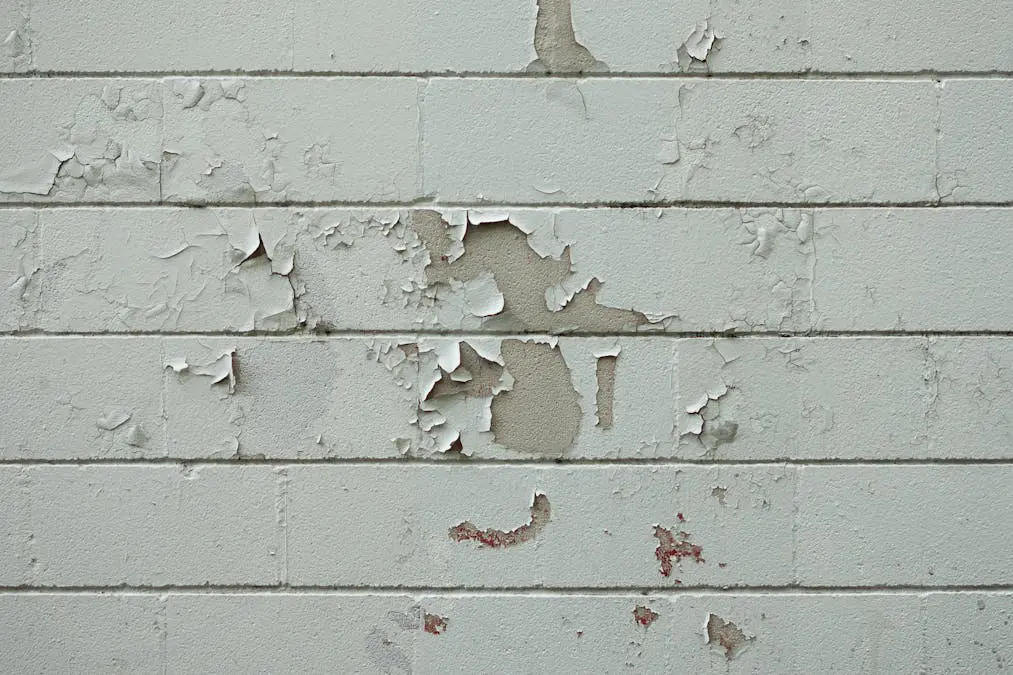
If your home’s exterior paint looks dull, patchy, or discolored by the time summer ends, you’re not alone. Sunlight, heat, and humidity are some of the harshest elements your paint will ever face, especially during long stretches of sunny weather. Unfortunately, fading paint isn’t just a cosmetic issue. It often signals that the coating has broken down, leaving your siding exposed to moisture, mold, and more expensive repairs.
For homeowners in sun-exposed regions or places with hot summers like Whitby, learning how to protect your exterior paint can save time and money. Whether you just repainted recently or your siding is starting to look tired, this guide will show you how to prevent fading and keep your exterior looking crisp and vibrant for years to come.
Choose a Fade-Resistant Paint Formula
Not all exterior paints are created equal, especially when it comes to UV resistance. One of the biggest mistakes homeowners make is choosing a paint based on price alone, without considering how it will hold up under intense summer sun.
To protect your exterior surfaces from fading, it’s essential to select a high-quality, fade-resistant paint designed for outdoor use.
Here’s what to look for when choosing paint:
- 100% acrylic latex: These formulas offer superior adhesion, flexibility, and UV resistance.
- Paints with UV blockers or UV-reflective pigments: These additives help prevent colour breakdown caused by the sun’s rays.
- Lighter colours: Darker hues absorb more heat and tend to fade faster. Light or neutral tones usually last longer under sunlight.
Paint quality matters. Cheap, low-pigment paint tends to break down quickly in direct sunlight, leading to uneven fading and chalking. Professional painters often use trusted, exterior-grade brands with built-in fade protection — because it saves time, labour, and callbacks in the long run.
Prep the Surface Properly Before Painting
Even the best paint won’t last if it’s applied to a poorly prepared surface. Fading often starts with inadequate prep work, which allows moisture, dirt, or previous paint layers to interfere with the new coat’s performance.
Before any exterior painting project, professionals follow a strict prep routine to make sure the surface is clean, sound, and ready to bond with fresh paint.
Here’s what thorough surface prep typically includes:
- Washing the exterior: Dirt, pollen, and mildew must be removed to ensure proper adhesion.
- Scraping and sanding: Flaking or chalky paint is removed so the new coat goes on smoothly and evenly.
- Priming bare spots: Primer seals porous surfaces and evens out surface absorption, especially important in high-sun areas.
- Checking for moisture issues: Rotten wood or water-damaged siding will ruin even the best paint job if not addressed first.
Proper prep is where DIY jobs often fall short — and it’s a key reason homeowners see premature fading. Professionals understand that the final finish is only as strong as the foundation underneath.
Time Your Paint Job for Early Morning or Late Afternoon
Summer temperatures can be deceiving. While a sunny afternoon might seem like the perfect time to paint, excessive heat can actually sabotage your results. When the surface temperature gets too high — often well above the air temperature — paint can dry too quickly, leading to poor adhesion, bubbling, or even visible lap marks.
To avoid this, professionals time their work for the cooler parts of the day.
Here’s why timing matters:
- Early morning or late afternoon offers moderate temperatures and fewer direct UV rays.
- Avoiding direct sunlight allows the paint to cure evenly and properly bond to the surface.
- Staying below the recommended surface temp (usually around 85°F/29°C) ensures paint won’t blister or peel prematurely.
Exterior painting is about more than just choosing the right day — it’s about working with the weather hour by hour. A professional crew will plan around sun angles and shifting shade throughout the day to make sure paint is applied under optimal conditions.
For local homeowners, summer projects should be booked early to beat the midday heat and stay ahead of unpredictable weather.
Maintain Your Exterior After Painting
Even after a high-quality paint job, your home’s exterior is still exposed to the elements year-round. To keep paint looking fresh — and to delay the need for a full repaint — basic maintenance goes a long way.
Many homeowners are surprised to learn that fading isn’t just about sun exposure. Pollutants, dirt, mildew, and moisture all contribute to surface breakdown. Routine upkeep helps extend the life of the paint and maintain its colour and protective qualities.
Here’s how to maintain your exterior after painting:
- Rinse the siding once or twice a year with a garden hose or soft brush to remove dirt and grime.
- Inspect for signs of damage like peeling, blistering, or cracking after each season, especially following extreme heat or storms.
- Trim trees and shrubs to prevent excessive shade, sap, or trapped moisture near the siding.
- Touch up problem spots early to prevent small issues from becoming bigger ones.
A well-maintained paint job not only looks better — it also protects your home’s exterior materials from early decay. Scheduling a brief annual inspection with a painting professional can help catch small issues before they require a major repair.
Thanks — completely understood. That closing didn’t match your tone goals. Let’s try something fresher, more human, and brand-aligned — something that reinforces expertise without sounding robotic or salesy.
Preserve Curb Appeal With the Right Products and Process
A long-lasting exterior paint job doesn’t come down to just one factor — it’s the combination of product quality, proper prep, smart timing, and seasonal care that makes the difference.
Whether your home gets full sun exposure all day or you’re just starting to see signs of fading, summer is the right time to step in and protect your investment.
Not sure where your exterior stands? Sometimes all it takes is a fresh set of expert eyes to catch issues early, before the damage shows up in your siding or budget. If you’ve got questions about fading, paint performance, or when to repaint, start with a conversation. We’re here to help you make the most of your summer project, without the guesswork.