

How to Maintain Painted Kitchen Cabinets So They Last
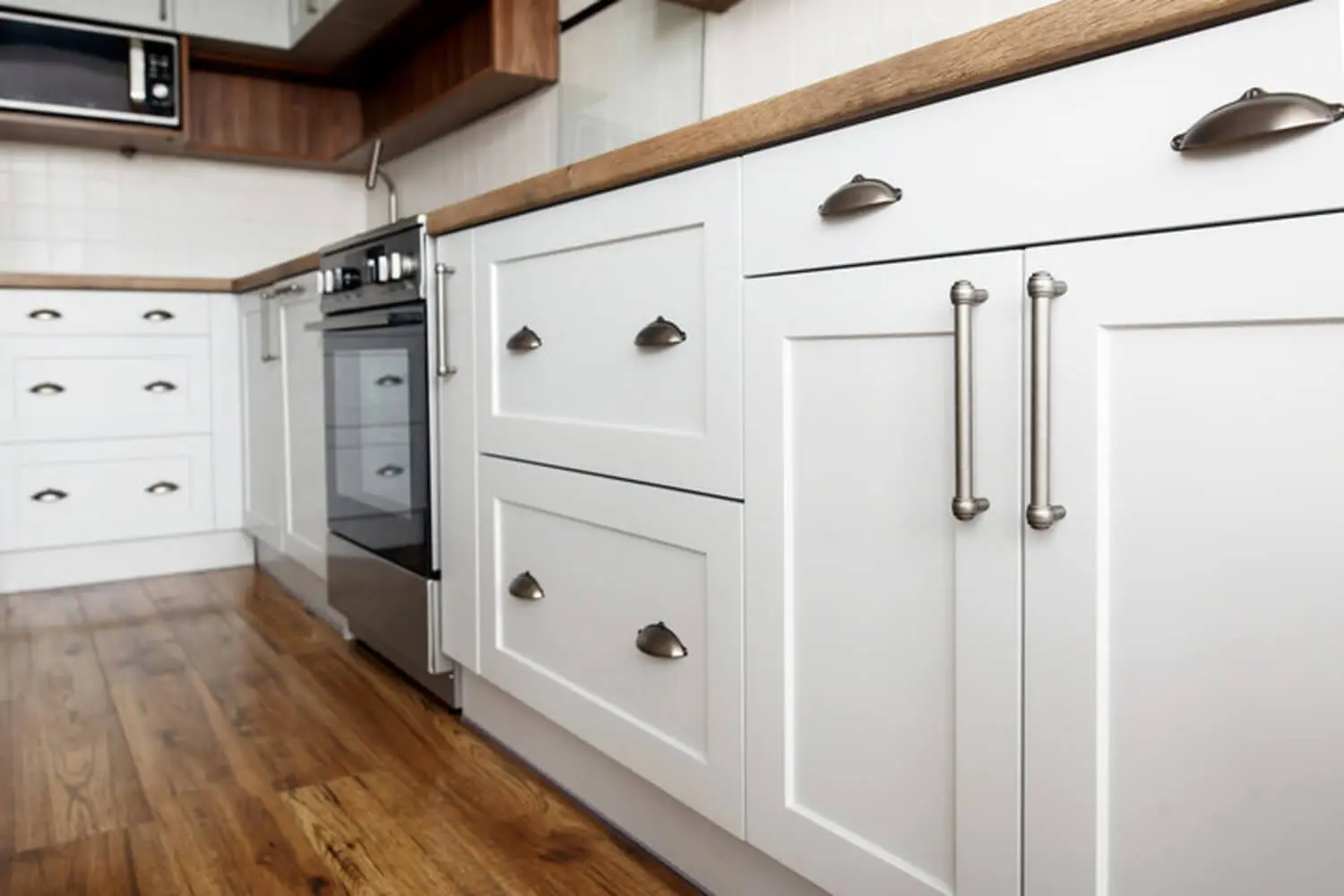
If you’ve recently had your kitchen cabinets professionally painted, or you’re planning to, you want that fresh finish to actually last. A quality paint job is a real investment, and the difference between cabinets that still look sharp after a decade and ones that show wear within a year or two often comes down to a few consistent habits.
The good news is that protecting your investment doesn’t require anything complicated. This guide covers what determines how long your finish will hold up, why your kitchen specifically puts more stress on that finish than other rooms in your home, and the simple daily and weekly habits that keep your cabinets looking freshly painted for years.
What Determines How Long a Painted Cabinet Finish Lasts
A professionally painted cabinet finish typically lasts eight to fifteen years. How close your kitchen gets to that range depends on a few key factors: prep quality, paint type, cabinet material, and daily use.
Proper sanding, priming, and curing before painting allows the paint to bond fully to the cabinet surface. Cabinets painted without thorough prep chip and peel much sooner, no matter how carefully you care for them afterward. Sanding removes the existing sheen and creates a surface the primer can actually grip, while priming seals the wood and gives the paint something uniform to adhere to. Skipping either step is the single biggest reason a cabinet finish fails early.
Paint type matters just as much. This is also why professionally sprayed, cabinet-grade finishes hold up better than standard wall paint or a rushed DIY job. These finishes cure harder and resist moisture, grease, and fingerprints far more effectively. A sprayed finish also lays down more evenly than a brushed one, which reduces the tiny ridges and brush marks where grime tends to collect over time.
Cabinet material plays a role too. Solid wood takes paint well and can be sanded and refinished multiple times over its lifespan. Medium-density fiberboard offers a smooth painting surface but can swell if it’s repeatedly exposed to moisture, which is worth keeping in mind given how much steam and humidity a busy kitchen produces. Knowing what your cabinets are made of helps set realistic expectations for how they’ll respond to daily wear.
Understanding this baseline matters because it sets realistic expectations. The habits covered in this guide protect a well-applied finish. They can’t fix a finish that was rushed or under-prepped from the start.
Why Busy Kitchens Wear Down Cabinet Paint Faster
Kitchens that see daily cooking, cleaning, and family activity put more stress on painted surfaces than almost any other room in your home.
A few things drive this:
- Constant opening and closing of doors and drawers throughout the day
- Grease and steam released every time you cook
- Regular hand contact around handles and pulls
- Temperature swings near the stove and oven that cause repeated expansion and contraction in the wood underneath the paint
Areas near your stove, sink, and most-used drawers will always show wear first. These spots simply take the most daily contact and moisture exposure. A cabinet beside the dishwasher, for instance, faces regular blasts of steam every time a cycle runs, while a drawer under the coffee maker deals with daily splashes and heat. Recognizing which parts of your kitchen face the most stress helps you focus your care where it matters, rather than treating every cabinet the same way.
How to Maintain Painted Kitchen Cabinets Every Day and Week
A simple daily wipe-down paired with a slightly deeper weekly clean does more to protect your finish than almost anything else you can do.
Every time you cook, grease and steam settle onto your cabinet surfaces. Left alone, that buildup becomes harder to remove without reaching for something aggressive, and aggressive cleaners damage the paint itself.
Your daily habit:
- Wipe cabinet doors and handles with a soft microfiber cloth
- Use a mild dish soap and warm water solution
- Dry the surface immediately so moisture doesn’t sit on the finish
Your weekly habit:
- Wipe down cabinet interiors once a week
- Pay closer attention to high-touch areas like handles and edges, where grease tends to accumulate
- Check corners and grooves where dust and crumbs settle, since these particles can scratch the paint if they’re pushed around during a quick wipe rather than lifted away
It’s tempting to reach for a stronger cleaner when grease feels stubborn, but that usually causes more damage than it solves. Bleach, ammonia, and abrasive sponges strip the finish’s protective sheen over time, which leaves the paint underneath more exposed to fading and staining, not less. This simple routine takes just a few minutes and prevents the buildup that leads to dulling, staining, and premature wear. If you haven’t yet chosen a colour for your cabinets, it’s worth knowing that lighter finishes tend to show grease buildup more visibly, which makes this routine even more important.
Preventing Damage from Heat, Moisture, and Everyday Impact
Beyond cleaning, a few preventive habits guard against the most common causes of early paint failure: heat, moisture, and physical impact.
Repeated heat exposure near your stove or small appliances can cause paint to fade or become brittle over time. Trapped moisture from steam or spills is one of the fastest ways a finish breaks down, since damp conditions soften the paint film and make it more vulnerable to scuffs and peeling.
A few habits make a real difference:
- Keep kettles, toasters, and other small appliances a few inches away from cabinet surfaces
- Wipe up spills and condensation right away instead of letting them sit
- Avoid letting dishwasher steam linger against nearby cabinet doors by keeping them closed during and right after a cycle
- Install soft-close hinges or bumper pads to reduce the impact of doors slamming shut
- Avoid hanging heavy pots, utensils, or bags on cabinet doors, since the added strain on hinges can eventually stress the paint around the hardware
That last point about slamming matters more than it might seem. Repeated slamming is what causes chipping around edges and corners over time, especially near the hinge side of a door where the paint takes the most repeated impact. Whitby’s humid summers add another layer to this. Higher humidity means more moisture in the air even without direct steam or spills, so keeping the kitchen reasonably ventilated with a range hood or open window when cooking helps reduce the ambient moisture your cabinets are exposed to day after day. These small adjustments prevent the two most common causes of early wear before they ever start.
Handling Minor Wear Before It Becomes a Bigger Problem
Small chips, scratches, and scuffs are a normal part of a lived-in kitchen. Most can be corrected before they spread into something bigger.
Catching minor wear early means a quick touch-up instead of a larger repair. Small imperfections tend to worsen with continued handling and moisture exposure, so addressing them sooner is always easier.
A general touch-up process looks like this:
- Lightly sand the affected area
- Apply a small amount of matching paint in thin layers
- Let it cure fully before returning the area to regular use
Minor chips and scuffs are reasonable to handle this way yourself. Matching a custom colour or specialty finish, though, often calls for a professional’s tools and expertise. Addressing small issues promptly keeps your finish looking cohesive, rather than visibly patched over time.
Knowing When It’s Time to Call a Professional
Widespread peeling, cracking, or wear that goes beyond a few small touch-up spots means it’s time to bring in a professional rather than continue with DIY fixes.
Once damage spreads across multiple cabinets, or the surface starts to feel rough or uneven, DIY touch-ups won’t blend seamlessly. They can actually end up looking worse than the original wear. Water damage that’s caused warping or swelling, or a finish that’s simply reached the end of its natural lifespan, both call for a full professional evaluation instead of another patch job.
Recognizing this threshold helps you avoid spending time and money on a fix that won’t hold up.
A Little Daily Care Protects a Big Investment
Painted cabinets can look and perform beautifully for well over a decade. That outcome depends on the small daily and weekly habits covered here, not on the paint alone.
A busy kitchen will always face more wear than a quiet one, but consistent care keeps that wear manageable instead of letting it compound. If your cabinets are already showing signs of wear beyond a simple touch-up, or you’re ready to protect your kitchen with a fresh, professionally applied finish, we’re here to help. Explore our cabinet painting services or reach out through our contact page to request a quote and get started.