

How Winter Damage Shows Up on Exterior Paint Surfaces
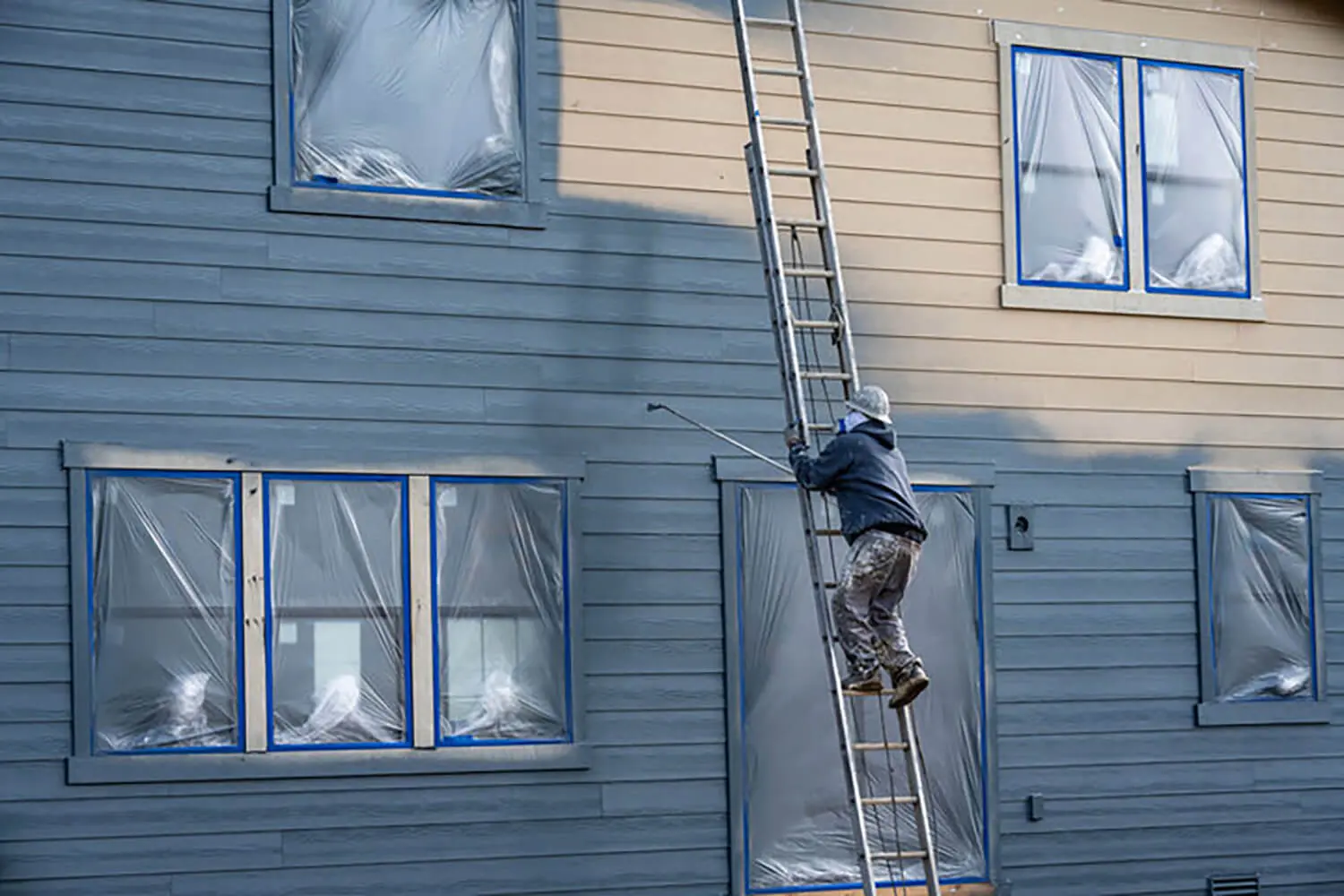
Exterior paint often looks perfectly fine in the fall. The colour still feels fresh, the surface seems intact, and there are no obvious signs of trouble.
Then winter passes and something changes.
As temperatures rise and snow begins to melt, new issues start to appear. Peeling corners, small cracks along trim, or blisters that were not there a few months ago can suddenly show up. It can feel like the damage happened overnight, even though the process has been building for months.
This is why many homeowners begin asking how winter damage shows up on exterior paint surfaces and what actually caused it.
Cold temperatures, ongoing moisture, and repeated freeze–thaw cycles quietly stress painted exteriors all season long. While everything is frozen, the damage is often hidden. Once surfaces begin to warm and dry in early spring, the effects become much more visible.
Understanding how winter damage shows up on exterior paint surfaces helps you separate normal ageing from problems that may signal deeper issues. In this post, we’ll explain the most common forms of winter damage exterior paint experiences and what those changes usually indicate about your home’s exterior.
Why Winter Is So Hard on Exterior Paint
Exterior paint is designed to handle the elements, but winter places it under a unique kind of stress. For months at a time, painted surfaces are exposed to freezing temperatures, snow accumulation, ice buildup, and persistent moisture. Unlike a quick rainstorm or summer heatwave, winter conditions tend to linger.
Cold air alone can make materials more rigid and brittle. When siding, trim, and other exterior components lose flexibility, the paint film on top has to move with them. Over time, that constant stress can weaken the bond between the paint and the surface underneath.
One of the biggest contributors to exterior paint winter damage is the freeze–thaw cycle. Here is how it works:
- Moisture seeps into small cracks, seams, or porous areas
- Temperatures drop, and that trapped moisture freezes
- Water expands as it freezes, pushing against the paint layer
- When temperatures rise, the ice melts, leaving behind tiny gaps
This expansion and contraction may seem minor, but repeated dozens of times throughout the season, it gradually breaks down the paint’s integrity.
Older paint surfaces are especially vulnerable. As coatings age, they naturally lose elasticity and adhesion. When winter arrives, those already-weakened areas are often the first to show signs of winter damage exterior paint experiences once spring returns.
The Most Common Signs of Winter Damage on Painted Exteriors
When winter ends, the damage rarely announces itself all at once. Instead, small changes begin to show up across different parts of the exterior. These issues often become noticeable as temperatures rise and surfaces dry out in early spring.
One of the most common signs is peeling paint. You may see edges lifting along trim boards, window frames, or lap siding. In many cases, the paint looks like it is separating in thin strips or curling away from the surface.
Cracking is another frequent indicator. These cracks can appear as:
- Fine hairline splits across flat siding
- Deeper cracks following wood grain
- Spiderweb patterns in areas that experienced repeated moisture exposure
Blistering or bubbling is also common. This typically shows up as raised pockets under the paint film. During winter, moisture may have become trapped beneath the coating. As warmer temperatures return, that moisture expands and pushes outward, creating visible bubbles.
Flaking and chalking may follow. Instead of clean peeling, the surface may begin to shed small paint fragments or leave a powdery residue when touched.
You can also compare these signs with the indicators of paint that won’t last through winter by reading how to tell if exterior paint will last through winter. Gradual fading or mild surface wear can be expected over time. However, sudden peeling, cracking, or bubbling that appears shortly after winter is often a clear example of how winter damage shows up on exterior paint surfaces rather than simple wear and tear.
How Moisture Intrusion Leads to Paint Breakdown
Moisture is one of the most damaging forces affecting painted exteriors during winter. While cold temperatures create stress, it is water infiltration that often triggers the actual breakdown of the paint system.
Snow does not simply sit on the surface. As it melts during brief warm spells, water can work its way into small gaps, seams, nail holes, and areas where caulking has begun to fail. Ice dams and buildup along trim can also trap moisture against the siding for extended periods.
Once moisture gets beneath the paint layer, several things can happen:
- The bond between the paint and the substrate begins to weaken
- Wood may swell slightly, pushing against the coating
- Previously sealed areas can reopen as materials expand and contract
When temperatures drop again, any trapped moisture can freeze and expand. That expansion places pressure directly under the paint film. Over repeated cycles, the adhesion weakens further.
In early spring, this moisture-related failure often becomes visible as bubbling, soft spots, or sections where the paint appears to separate cleanly from the surface underneath. You might press gently on an area and feel slight give, which can indicate that the coating is no longer firmly attached.
Winter moisture is a primary driver of winter damage exterior paint experiences. Even small, unnoticed entry points can allow enough water intrusion to compromise larger sections of the painted surface over time.
Areas of the Home Most Vulnerable to Winter Paint Damage
Winter damage rarely appears evenly across the entire exterior. Some areas of a home naturally hold more moisture, experience more temperature swings, or receive less sunlight, making them more vulnerable.
Trim and fascia boards are common trouble spots. These horizontal and edge surfaces often collect snow and ice, which can sit longer than it does on vertical siding. As moisture lingers, the paint in these areas is repeatedly exposed to freezing and thawing.
Soffits and overhangs can also be affected, especially if ventilation is limited. Trapped moisture from condensation or melting snow can stress these surfaces from both the exterior and interior sides.
North-facing walls tend to show more visible winter wear. Because they receive less direct sunlight, they dry more slowly after snow or ice melts. That extended dampness increases the likelihood of adhesion failure.
Other vulnerable areas include:
- Window and door trim where caulking may have aged
- Seams between siding boards
- Lower siding near the ground where snow accumulates
- Shaded sections beneath trees
It is common for one side of the home to look significantly worse than another. This uneven pattern does not necessarily indicate poor workmanship. Instead, it often reflects how winter conditions interact differently with various surfaces around the property.
What Winter Paint Damage Means for Spring Planning
By the time winter damage becomes visible, the stress has already taken place. Spring is often when homeowners begin assessing what needs attention and deciding whether simple touch-ups will be enough or if more extensive repairs are necessary.
Not all winter-related issues require a full repaint, but visible peeling, cracking, or bubbling should not be ignored. These signs usually indicate that adhesion has been compromised. Simply painting over the affected area without proper preparation can lead to repeat failure within a short period.
In many cases, addressing winter damage involves:
- Removing all loose or failing paint
- Sanding edges to create a smooth transition
- Repairing any underlying wood or trim issues
- Re-priming exposed surfaces before applying new paint
If moisture intrusion contributed to the problem, identifying and correcting those entry points is just as important as repainting. That may include replacing worn caulking, improving drainage, or ensuring gutters are functioning properly.
Spring provides an opportunity to evaluate the full exterior while conditions are mild. Taking a proactive approach allows homeowners to address smaller issues before they spread, extend the life of the paint system, and avoid more extensive repairs later in the year, because regular painting maintenance preserves home value over time.
Wrap-Up: Recognising Winter Damage Helps Protect Your Exterior
Winter does not always leave dramatic, obvious damage behind. More often, it reveals itself through subtle peeling along trim, fine cracks in siding, or bubbling that appears once warmer temperatures return. These changes are not random. They are the visible result of months of cold, moisture, and freeze–thaw stress working beneath the surface.
Understanding how winter damage shows up on exterior paint surfaces gives homeowners clarity. It helps you distinguish between normal ageing and moisture-related failure that needs attention. It also explains why some areas of the home look worse than others after a long winter.
If you are seeing peeling, cracking, or bubbling after winter, it may be time to take a closer look at your exterior. At Marleau’s Action Maintenance, we assess the condition of your siding and trim, address any underlying issues, and recommend the right preparation and repainting plan for long-term results. Visit our exterior painting services page to learn how we can help protect and refresh your home this season.