

Is Spring the Right Time for Epoxy Garage Floors in Whitby
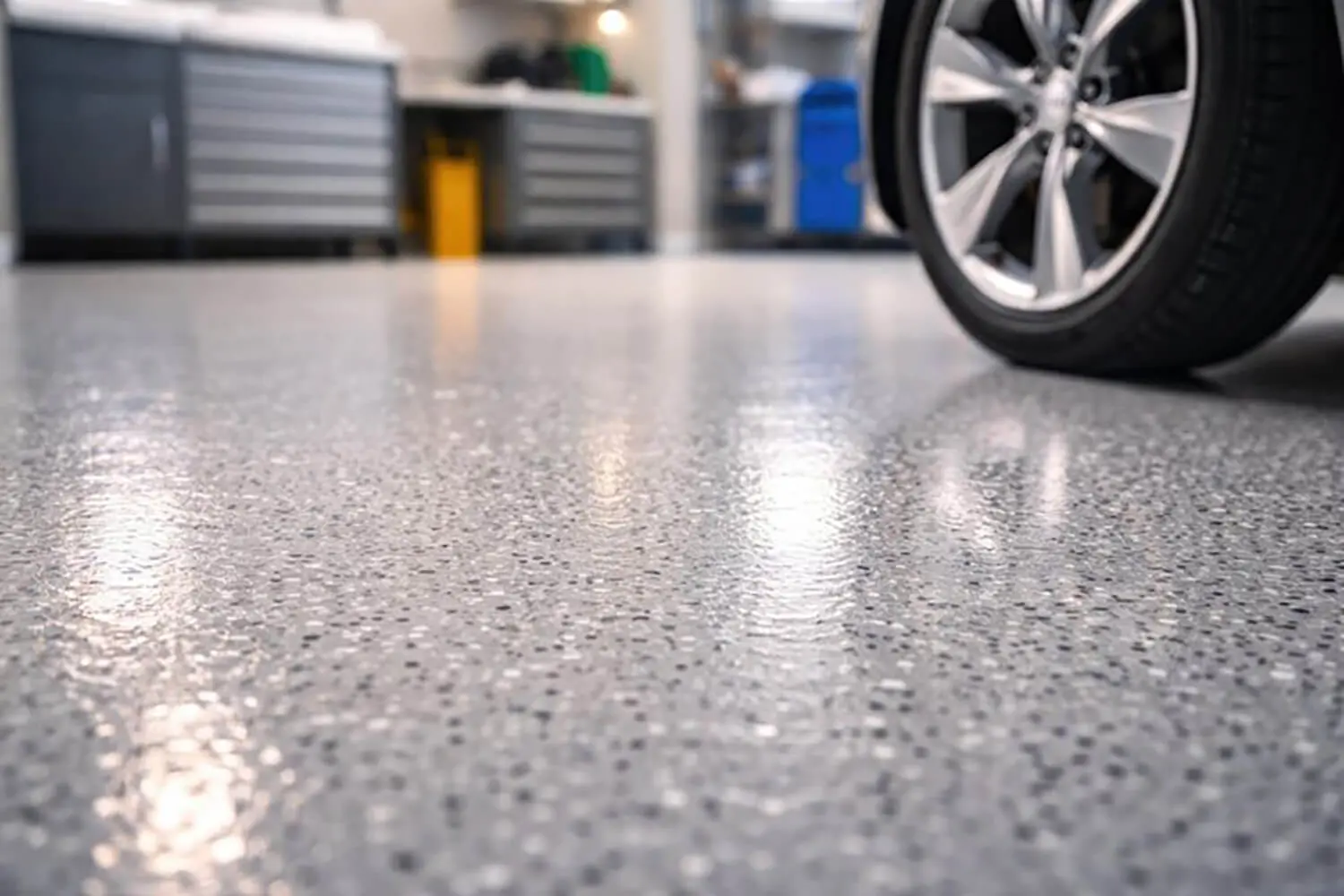
When the snow finally melts in Whitby, many homeowners start noticing what winter left behind in their garages. Salt stains, damp patches, small cracks, and worn concrete suddenly become more obvious once the weather improves.
That’s often when garage upgrade ideas move to the top of the list.
If you’ve been looking at your floor and wondering, is spring the right time for epoxy garage floors, you’re not alone. Timing plays a bigger role than many people realise. Temperature stability, moisture levels, and the overall condition of the concrete all influence how well an epoxy coating bonds and cures.
Installing epoxy at the wrong time can affect adhesion and long-term durability. Installing it under the right conditions helps it perform the way it’s designed to.
In this post, we’ll walk through what homeowners should consider about epoxy garage floors in spring, including how winter impacts concrete, what conditions matter most, and how to determine whether your garage floor is truly ready before scheduling the project.
Why Spring Can Be a Good Time for Epoxy Garage Flooring
As winter fades in Whitby, many homeowners start noticing the true condition of their garage floors. What was hidden under snow, slush, and parked vehicles becomes more visible once the space dries out. Salt residue, dull concrete, and small cracks tend to stand out in the brighter light of spring, much like how winter damage shows up on exterior paint surfaces once the season shifts.
That visibility alone makes this season appealing for upgrades. You can clearly see what needs attention, much like how dry winter conditions affect interiors once the season shifts, which makes planning improvements feel more urgent and practical.
Spring temperatures also tend to be more cooperative for epoxy work. Unlike the deep cold of winter or the intense heat of midsummer, spring usually offers more moderate and stable conditions. Epoxy coatings rely on proper curing, and steady temperatures help the material bond consistently to the concrete surface. When conditions are balanced, the risk of curing issues or uneven results is reduced.
Another reason spring works well is timing. Many homeowners wait until summer to tackle home projects, which can lead to busier schedules and longer wait times. Planning epoxy installation in spring often allows you to get ahead of peak demand and have the garage ready before summer activities begin.
By the time bikes, lawn equipment, and outdoor gear start moving in and out regularly, the floor is already protected and easier to maintain.
Why Garage Floors Often Need More Preparation After Winter
While spring can be a practical time to upgrade, it’s also when hidden issues tend to surface.
Winter in Whitby puts concrete through repeated stress. Snow and ice melt bring moisture into the garage. Road salt gets tracked in daily. Temperatures swing above and below freezing, causing the slab to expand and contract.
Over time, that combination can affect the surface more than homeowners realise.
Salt residue is one of the biggest concerns. When left on the floor for months, salt can penetrate the surface and create minor pitting or scaling. Even if the damage looks cosmetic, any contamination on the surface can interfere with how epoxy bonds to the concrete.
Moisture is another key factor. During winter, concrete absorbs water from melting snow and slush. In early spring, that moisture may still be present within the slab, even if the surface appears dry. If epoxy is applied over damp concrete, it can lead to:
- Poor adhesion
- Bubbling or blistering
- Premature peeling
Freeze–thaw cycles can also create small cracks or widen existing ones. These need to be properly repaired before coating begins. Simply applying epoxy over damaged areas does not solve the underlying issue.
Because of these conditions, early spring installations often require more thorough surface preparation. This may include:
- Deep cleaning to remove salt and contaminants
- Mechanical grinding to open the concrete pores
- Crack and surface repairs
- Moisture testing to confirm the slab is ready
The long-term durability of an epoxy floor depends far more on preparation than on the coating itself. Addressing winter-related damage carefully ensures the epoxy can bond correctly and perform the way it should over time.
When Spring May Not Be the Right Time for Epoxy Installation
Even though spring is often convenient, it is not automatically the right time for every garage.
The biggest factor is moisture.
Concrete is porous, which means it absorbs water throughout the winter months. In early spring, especially after heavy snowmelt or prolonged rain, the slab may still hold moisture below the surface. A floor that looks dry on top can still release vapour upward.
If epoxy is installed under those conditions, it can compromise the finish. Moisture trapped beneath the coating may lead to bubbling, lifting, or peeling over time.
Temperature swings can also create challenges. Early spring in Whitby can still bring overnight freezing temperatures followed by warmer daytime conditions. Those fluctuations can affect how epoxy cures. If the concrete temperature drops too low during installation or curing, the coating may not set properly.
Garage slab condition matters as well. If winter caused significant cracking, scaling, or spalling, the surface may need more extensive repair before it can accept a coating. In some cases, waiting a few weeks for the slab to fully dry and stabilize results in better long-term performance.
This is why timing should be based on readiness rather than the calendar.
A professional installer will typically assess:
- • Concrete moisture levels
- • Surface integrity
- • Ambient and slab temperature
- • Overall preparation requirements
If conditions are not right, delaying the project can protect the investment and help ensure the epoxy performs as intended for years to come.
What to Expect From a Professional Epoxy Garage Floor Project
If you decide the timing is right, it helps to understand what the process typically involves. A professional epoxy garage floor installation is far more detailed than simply rolling on a coating.
The most important phase is surface preparation. This step determines how well the epoxy bonds to the concrete and how long it will last. Preparation usually begins with a thorough cleaning to remove dirt, oil stains, and any remaining salt residue from winter. From there, the surface is mechanically ground to open the pores of the concrete and create the proper profile for adhesion.
If cracks, chips, or surface damage are present, they are repaired before any coating is applied. Addressing these issues early prevents them from telegraphing through the finished surface and ensures the floor is structurally sound.
Once the slab is properly prepared, the coating system is installed in stages. Depending on the system selected, this may include:
- A base coat designed to penetrate and bond to the concrete
- Decorative flakes or texture for appearance and slip resistance
- A protective topcoat that seals and strengthens the surface
Each layer must be applied under controlled conditions, with careful attention to temperature and humidity. After application, the floor requires a curing period before it can handle foot traffic and vehicle use. While timelines vary, most homeowners can expect a short waiting period before full use of the garage resumes.
Professional installation focuses on durability, not just appearance. The goal is a floor that resists moisture, staining, road salt, and daily wear while maintaining a clean, finished look. When done correctly, the result is a garage surface that performs consistently through future winters and seasonal changes.
Wrap-Up: Spring Can Be a Smart Time for Epoxy Garage Floors in Whitby
Spring is often when garage floors in Whitby reveal the full impact of winter. Salt stains, small cracks, and surface wear become more noticeable once the snow is gone and the space dries out. That natural transition makes this season an appealing time to consider an upgrade.
If you’ve been wondering, is spring the right time for epoxy garage floors, the answer usually depends on conditions rather than the calendar. Moderate temperatures can support proper curing, and scheduling before peak summer demand can be practical. At the same time, winter moisture and surface damage must be properly addressed before installation begins.
The key factors are concrete dryness, temperature stability, and thorough preparation. When those elements are in place, spring can be an excellent window for long-term performance.
If you are thinking about upgrading your garage floor, Marleau’s Action Maintenance is here to help. We will assess your concrete, review moisture and temperature conditions, and walk you through the best timing for a long-lasting epoxy installation.
Visit our contact page to get started. We are happy to answer your questions and schedule a consultation that fits your plans.