

How to Tell If Interior Paint Damage Is Cosmetic or Structural
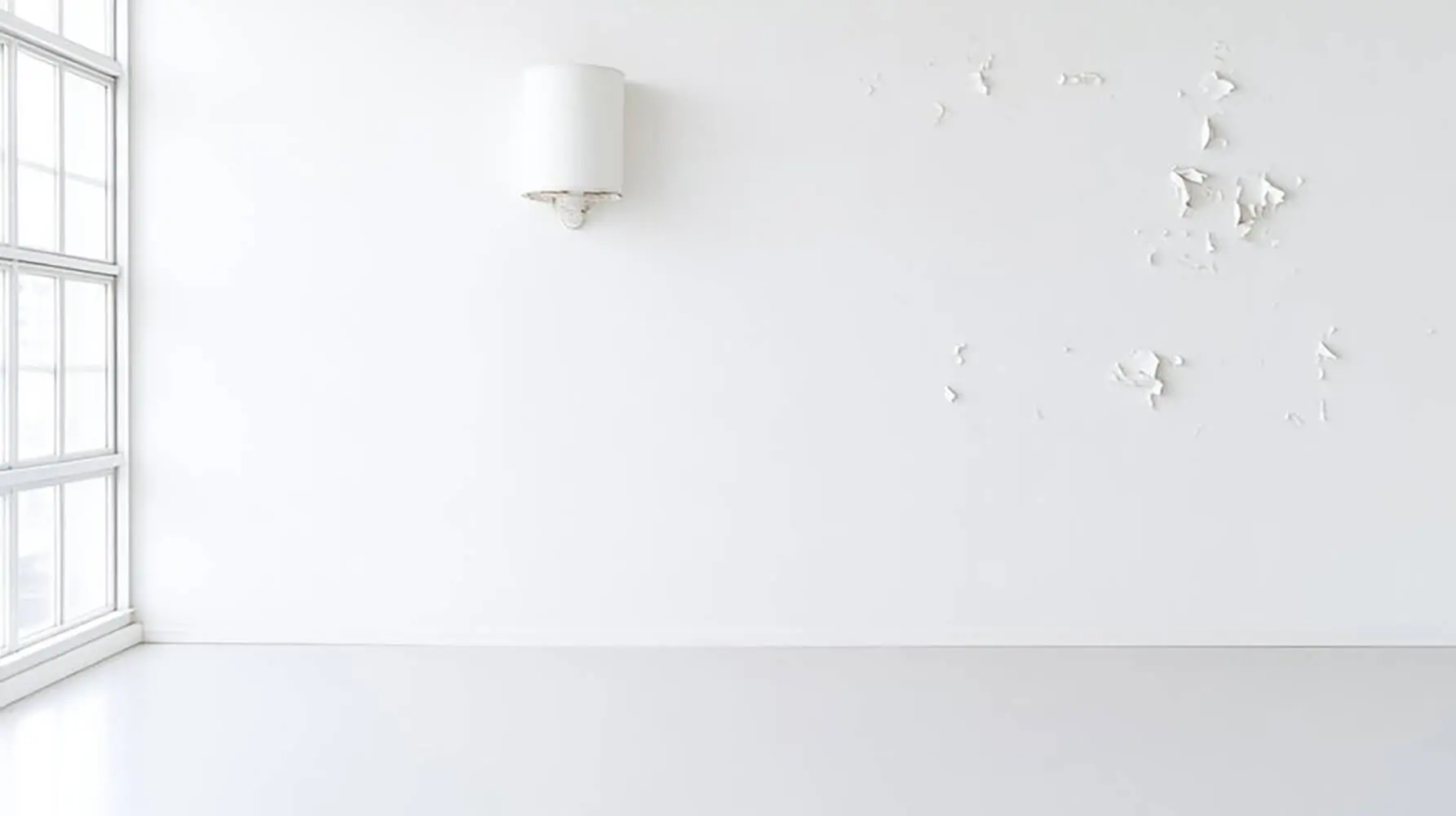
Cracks, peeling, bubbling, or flaking paint can be unsettling to notice inside your home. Many homeowners spot these changes and immediately wonder whether they’re dealing with a simple cosmetic issue or something more serious hiding behind the walls. That uncertainty often leads to hesitation about repainting or repairing, especially when it’s unclear what the damage is really telling you.
Understanding how to tell if interior paint damage is cosmetic or structural matters because the fix depends on the cause. Some paint problems are part of normal wear and tear. Others can point to moisture, movement, or conditions that will keep damaging new paint if they aren’t addressed first. Treating every issue as surface-level can lead to repeated failures, while assuming the worst can cause unnecessary stress or expense.
Interior paint damage signs can look dramatic even when the underlying wall is stable. At the same time, certain patterns shouldn’t be ignored. Knowing the difference helps you make smarter decisions about timing, repairs, and whether professional input is needed.
This post will help you understand what common paint damage means, why it happens, and how to read the clues your walls are giving you before moving forward with any updates.
Why Interior Paint Damage Can Look Worse Than It Is
Paint is the most visible surface in a room, so even minor issues tend to stand out quickly. A small crack or patch of peeling paint can draw the eye and feel more serious than it actually is.
Many paint problems are surface reactions rather than signs of damage beneath the wall. Paint expands and contracts with temperature changes, indoor humidity shifts, and normal building movement. When those forces show up on a finished surface, they often exaggerate what’s happening underneath.
Another reason paint damage can appear dramatic is contrast. Fresh paint or smooth areas make flaws nearby look larger by comparison. Even subtle changes in texture, sheen, or colour can make a wall feel “damaged” when the structure itself hasn’t changed at all.
It’s also common for paint issues to reflect aging materials rather than active problems. Older paint films lose flexibility over time. As that flexibility fades, the paint becomes more prone to cracking, flaking, or separating from the surface, even if the drywall and framing remain sound.
Understanding this difference is important. Cosmetic vs structural paint damage isn’t about how bad something looks at first glance. It’s about whether the issue is limited to the paint layer or tied to movement, moisture, or failure beneath it.
Once you recognize that paint often reacts more visibly than the wall itself, it becomes easier to assess damage calmly and focus on what truly needs attention.
Common Examples of Cosmetic Paint Damage
Cosmetic paint damage is surface-level and limited to the paint film or finish. It can look concerning at first, but it doesn’t affect the integrity of the wall, drywall, or framing behind it.
Some of the most common examples include scuffs and marks from furniture, doors, or everyday contact. These show up most often in hallways, stairwells, and high-traffic rooms where walls take regular wear.
Small chips and nicks are also typical cosmetic issues. They often happen around corners, trim, or areas where items are moved frequently. In most cases, the paint simply loses adhesion in that small spot while the surface underneath remains intact.
Fading is another cosmetic issue many homeowners notice over time. Sunlight, artificial lighting, and age can slowly dull or discolor paint, especially on walls with direct exposure. While the color change can be noticeable, it doesn’t indicate a deeper problem.
Minor hairline cracks are common as well. These thin, shallow lines often appear where drywall seams meet or where materials naturally settle. They usually stay the same size and don’t spread or worsen.
In all of these cases, cosmetic damage affects appearance, not structure. The wall itself remains stable, and repairs typically involve light surface prep, touch-ups, or repainting rather than deeper investigation.
Signs Paint Damage May Be Structural
Some paint issues go beyond surface wear and point to movement or stress beneath the paint layer. These signs tend to follow patterns and often change over time rather than staying static.
Watch for these indicators that paint damage may be structural:
- Cracks that widen, lengthen, or reappear after being repaired
- Jagged or stair-step cracks instead of thin, straight hairlines
- Paint splitting at corners of doors, windows, or ceilings
- Separation where walls meet ceilings or where trim meets drywall
- Cracks that run through multiple layers of paint consistently
- Damage that appears in the same area repeatedly despite repainting
These issues can be linked to drywall shifting, framing movement, or settling that’s still occurring. As the structure moves, even slightly, the paint film is often the first thing to show stress.
Unlike cosmetic flaws, structural-related paint damage usually isn’t isolated. It may show up across multiple rooms, along shared walls, or in areas that experience load changes, such as above doors or near support points.
The key difference is progression. If paint damage changes, grows, or keeps coming back, it’s often reacting to something more than normal aging or daily use. Recognising these patterns early helps prevent repeated repairs that only mask the underlying issue.
When Moisture or Indoor Conditions Are the Real Problem
Not all serious-looking paint damage is structural. In many homes, moisture and indoor environmental conditions are the true cause. Paint is sensitive to water vapor and temperature swings, and it often reacts before other materials do.
Common moisture-related interior paint damage signs include:
- Bubbling or blistering paint, especially on exterior-facing walls
- Peeling or flaking paint with soft or damp areas underneath
- Stains or discoloration that bleed through new paint
- Paint that feels chalky or powdery near the surface
- Damage concentrated in bathrooms, kitchens, basements, or laundry areas
- Mold or mildew forming along paint edges or corners
These issues are often driven by high humidity, poor ventilation, or condensation inside wall cavities. Even small, hidden moisture sources can cause visible paint failure over time.
Repainting without addressing the moisture source almost always leads to repeat problems. New paint may look fine initially, but bubbling, peeling, or staining often returns once conditions stay the same.
The important takeaway is that moisture-related paint damage isn’t solved with better paint alone. Improving ventilation, controlling humidity, or correcting leaks is usually necessary before any cosmetic repair will last.
How Professionals Distinguish Cosmetic vs Structural Paint Damage
When a professional evaluates paint damage, they’re looking beyond the surface appearance. The goal isn’t just to see what failed, but why it failed.
One of the first things assessed is surface prep history. Poor adhesion from inadequate sanding, cleaning, or priming can cause paint to fail even on perfectly stable walls. In those cases, the damage may look serious but is tied to application rather than structure.
Consistency of the damage also matters. Is the issue isolated to one wall, or does it repeat across similar areas? Random, isolated flaws often point to cosmetic causes, while recurring patterns can suggest movement or environmental stress.
Professionals also check the condition of the wall itself and can walk you through how professional painters prepare interior walls before painting to identify hidden issues. This includes pressing for softness, checking for uneven planes, and looking for signs of drywall seam movement or fastener issues that paint alone can’t hide.
Another key factor is timing. Damage that appears shortly after repainting raises different red flags than paint that degrades gradually over many years. Fast failure usually signals an unresolved underlying issue.
Proper diagnosis matters because it prevents wasted work. Repainting without understanding the cause often leads to repeat cracking, peeling, or bubbling. A professional assessment helps ensure repairs address the real problem, not just the visible symptoms.
What to Do Next Based on What You’re Seeing
Once you’ve identified the likely cause of the paint damage, the next step is deciding how to move forward without creating more problems down the line.
Here’s how to approach it based on what you’re seeing:
- If the damage is limited to scuffs, fading, small chips, or stable hairline cracks, cosmetic repairs are usually sufficient
- Light sanding, patching, and repainting can restore appearance when the wall itself is sound
- If cracks are widening, recurring, or showing up in multiple areas, pause before repainting
- Ongoing movement should be evaluated before surface repairs are made
- If bubbling, peeling, or staining is present, address moisture or ventilation issues first
- Repainting without fixing humidity or leaks almost guarantees repeat failure
It’s also helpful to think in terms of timelines. Cosmetic damage tends to stay consistent over time. Structural or moisture-related issues usually change, spread, or return after repairs.
Focusing on durability instead of quick fixes saves time and money and gives you a realistic idea of how long professional interior painting jobs typically take. Treating the cause, not just the symptom, leads to paint that lasts longer and walls that stay stable.
When in doubt, slowing down and confirming what’s really happening behind the paint is often the smartest next move.
Wrap-Up: Understanding What Your Walls Are Telling You
Paint damage can feel alarming, but it doesn’t always mean something is wrong with your home. Many interior paint issues are cosmetic, tied to normal aging, settling, or everyday wear. In those cases, the paint is simply doing what it does best, showing changes long before the wall itself is affected.
At the same time, patterns matter. Damage that grows, spreads, or keeps returning often points to movement, moisture, or conditions that shouldn’t be ignored. Learning how to tell if interior paint damage is cosmetic or structural comes down to looking past how dramatic it appears and focusing on consistency, location, and change over time.
When you understand what your walls are signaling, it becomes easier to make confident decisions. You can repaint when it makes sense, pause when something feels off, and avoid spending money on fixes that won’t last.
If you’re unsure whether what you’re seeing is surface-level or something deeper, getting clarity before repainting is the smart move. A professional evaluation can help identify the real cause of the damage, prevent repeat failures, and make sure any repairs you invest in actually hold up over time.
If you’re noticing interior paint damage and aren’t sure what it means, we can help. At Marleau’s Action Maintenance Ltd, we take the time to evaluate your walls, identify the cause of the damage, and recommend the right interior painting solution. Whether the issue is cosmetic or tied to a deeper condition, we focus on fixes that last. Contact us to schedule an interior painting consultation and get clear guidance before you repaint.