
How Surface Preparation Affects Interior Paint Longevity in Whitby Homes
Few things are more frustrating than investing in a fresh interior paint job, only to see it peel, crack, or wear down far sooner than expected. What should look smooth and clean for years can start showing flaws in just a short time.
In many cases, the issue is not the paint itself. It is what happened before the first coat was applied. Surface preparation affects interior paint longevity far more than most homeowners realise, and skipping or rushing this step often leads to early failure.
In Whitby homes, the impact is even more noticeable. Seasonal dryness, indoor heating cycles, and humidity shifts can stress painted surfaces and expose weak prep work quickly.
Understanding how surface preparation affects interior paint longevity helps you make better decisions before repainting. In this post, we will explain what proper preparation actually involves, why it plays such a critical role in durability, and what Whitby homeowners should know to achieve longer-lasting results.
Why Paint Longevity Depends on What Happens Before Painting
When homeowners think about durability, they often focus on paint quality or colour choice. While those factors matter, the true lifespan of a paint job is largely determined by what happens before the first coat goes on.
Paint needs a stable, clean surface to bond properly, and how professional painters prepare interior walls before painting explains the step-by-step process that makes that bond strong. If that bond is weak, even premium products will struggle to hold up over time.
Here’s why preparation is so critical:
- Paint adheres through mechanical and chemical bonding. Dust, oils, or loose particles interfere with that bond.
- Uneven textures or glossy surfaces can prevent paint from gripping properly.
- Small cracks or dents beneath the surface can continue shifting after painting, causing visible flaws.
Without proper prep, paint is essentially sitting on top of problems rather than sealing them.
Many early paint failures trace back to issues like:
- Painting over fine drywall dust
- Skipping light sanding on previously painted walls
- Failing to remove cooking residue or hand oils
- Not addressing minor wall damage before applying colour
Even high-quality paint cannot compensate for a poorly prepared surface. The finish may look good at first, but adhesion problems often appear within months.
That is why interior paint longevity preparation should be viewed as the foundation of the project, not an optional add-on. The smoother, cleaner, and more stable the surface underneath, the better the paint can perform over time.
Common Preparation Issues That Lead to Early Paint Failure
When interior paint starts peeling, bubbling, or wearing unevenly, the problem usually began before the first coat was applied. Surface issues that seem minor at the start can quietly weaken the entire finish.
One of the most common mistakes is painting over contaminated walls. Interior surfaces collect more buildup than most homeowners realise. Fine drywall dust, cooking grease, hand oils near switches, and even smoke residue can sit invisibly on the surface. If those contaminants are not removed, the paint bonds to that layer instead of the wall itself. Over time, that weak bond breaks down.
Another issue is skipping proper repairs. Small dents, nail pops, or hairline cracks may not seem urgent, but they create unstable spots beneath the paint. If those areas are not properly filled and sanded smooth, the finish can crack or look uneven as the wall subtly shifts.
Primer is also frequently overlooked. It plays an important role by:
- Sealing porous drywall
- Blocking stains from bleeding through
- Creating a consistent surface for topcoats
Finally, applying new paint over old, failing coatings is a hidden risk. If the existing layer is already loose or flaking, the new paint will eventually lift in those same spots.
These preparation shortcuts often lead to early paint failure, even when quality products are used, and they often affect how often to repaint busy areas throughout your home.
How Proper Surface Prep Improves Long-Term Results
When preparation is done correctly, paint has the best possible foundation to perform the way it was designed to. The difference may not always be obvious on day one, but it becomes clear over the years.
Professional surface preparation typically starts with thorough cleaning. Walls are washed to remove dust, grease, and residue so the paint can bond directly to a stable surface rather than to contaminants.
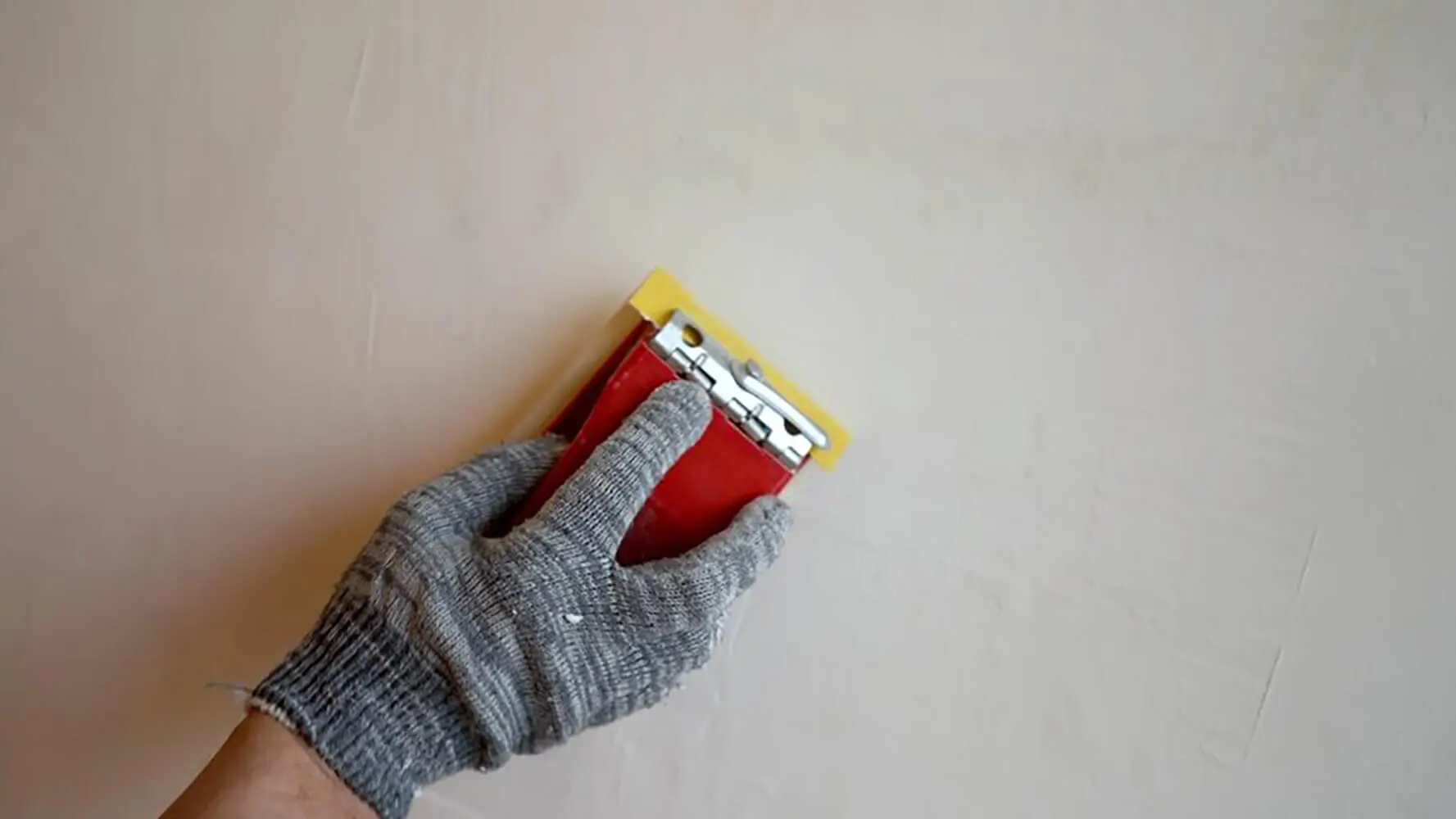
Next comes repair work. Small dents, cracks, and nail holes are carefully filled and sanded smooth. Sanding also helps dull glossy areas, allowing the new coating to grip more effectively. Even previously painted walls often benefit from light sanding to improve adhesion.
Priming follows when needed. Primer helps seal porous patches, creates a uniform surface, and improves consistency in colour and sheen. This step is especially important over repaired drywall, stained areas, or significant color changes.
Together, these steps create:
- A clean surface free from bonding barriers
- A smooth, even texture that reduces visible imperfections
- Stronger adhesion that resists peeling and chipping
This is where surface prep paint longevity becomes clear in practice. When paint bonds properly and sits on a stable base, it is far more resistant to daily wear, cleaning, and environmental stress.
Over time, properly prepared walls maintain their appearance longer, require fewer touch-ups, and delay the need for full repainting. The investment in preparation often pays off in years of added durability.
Why Whitby Home Conditions Make Preparation Even More Important
Whitby homes experience noticeable seasonal shifts, and those changes directly affect interior painted surfaces. Winter heating systems create prolonged periods of dry indoor air, while warmer months can introduce higher humidity levels. These fluctuations cause building materials to expand and contract throughout the year.
Drywall, wood trim, and framing materials naturally respond to these environmental changes. As they move slightly, painted surfaces are placed under stress. If the paint is not firmly bonded because of weak preparation, those small movements can lead to cracking along seams, separation at trim lines, or early peeling at edges.
Indoor heating during colder months can also dry out wall surfaces and highlight imperfections that were not properly repaired. Areas that were not sanded smooth or primed evenly may become more visible as light hits the walls differently throughout the seasons.
Humidity shifts add another layer of stress. In kitchens, bathrooms, and other moisture-prone areas, paint must be able to withstand subtle changes in air moisture without losing adhesion. If contaminants were left behind or primer was skipped, those conditions can expose weak spots more quickly.
Because of these local conditions, interior paint longevity preparation in Whitby homes requires careful attention to cleaning, repair, and sealing. Surfaces need to be stable and properly primed so the finish can handle seasonal movement without breaking down prematurely.
Surface Preparation Is the Key to Lasting Interior Paint
When interior paint begins to fail, the problem is rarely the color choice or even the brand of paint. More often, the issue traces back to what happened before the project began.
Surface preparation affects interior paint longevity more than any other factor. Clean, stable, properly repaired walls allow paint to bond securely and perform as intended. When preparation is rushed or skipped, even high-quality coatings can struggle to hold up.
In Whitby homes, this matters even more. Seasonal dryness, heating cycles, and humidity shifts continually place stress on interior surfaces. Weak adhesion shows up quickly under those conditions, while properly prepared walls are far more resilient.
The key takeaway is simple. Preparation is not an extra step. It is the foundation of durability. When homeowners understand how much interior paint longevity preparation influences the final result, they can make informed decisions before starting a repainting project.
If you are planning to repaint and want results that truly last, trust the team at Painters Whitby. We take the time to properly prepare every surface so your interior paint looks better and holds up longer. Contact us to learn more about our interior painting services and see how we approach each project.