

How Professional Painters Avoid Streaks and Roller Marks
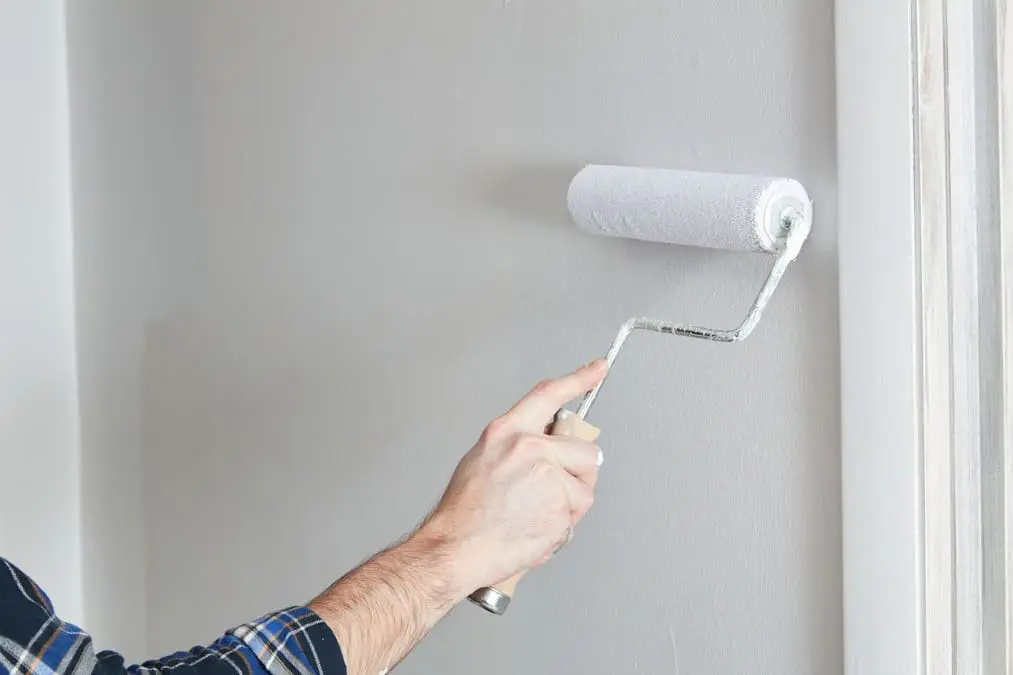
If you’ve ever noticed roller marks or streaks on a freshly painted wall, you know how distracting they can be. These imperfections not only take away from the finish—they can also make a professional paint job look like a rushed DIY project. It’s one of the most common concerns among homeowners, especially those hiring out for interior painting: how do professionals get that smooth, consistent look every time?
Understanding how professional painters avoid streaks and roller marks on walls starts with the techniques and tools they use but it goes much deeper than that. From prep work to lighting considerations, pros follow a system that’s been refined over hundreds of jobs. It’s not just skill it’s a controlled process designed to avoid the common mistakes that lead to roller lines and inconsistent coverage.
In this post, we’ll walk through the key steps professionals take to ensure your walls look smooth, clean, and even with no roller trails or distracting streaks.
They Start With the Right Surface Preparation
Before a professional even opens a can of paint, they’re focused on the surface beneath it. Streaks and roller marks are often symptoms of poor preparation—not just poor technique. That’s why pros spend just as much time getting the walls ready as they do applying the paint.
A properly prepped wall gives the paint something consistent to grip. Uneven textures, patchy repairs, or leftover debris can all interfere with how the paint spreads and dries, leading to visible inconsistencies.
Here’s what professionals typically handle before painting begins:
- Repairing dents, gouges, and nail holes with filler or compound and sanding smooth
- Cleaning walls to remove dust, oil, or residue that prevents adhesion
- Sanding shiny surfaces to create a texture that the paint can bind to
- Applying a high-quality primer to seal patched areas and ensure even coverage
This is why homeowners often find streaks in areas where they’ve skipped prep work especially over spackle or glossy patches. Understanding how professional painters avoid streaks starts here: with a surface that’s clean, dry, and properly conditioned before the roller ever touches it.
They Use High-Quality Tools and Products
No matter how skilled a painter is, the quality of the tools they use will directly impact the final result. When homeowners attempt to paint with bargain brushes or old rollers, streaks and uneven finishes are often unavoidable. Professionals know better they invest in high-grade tools and materials to eliminate those issues before they start.
The type of roller or brush a painter chooses isn’t random. It’s matched to the job based on wall texture, paint type, and the desired finish. For example, using a roller with the wrong nap (the thickness of the roller cover) on a smooth wall can leave unwanted texture or roller marks. Likewise, using a low-sheen product with the wrong applicator can cause uneven reflection or sheen variation.
Here’s how professionals avoid those problems:
- Choosing the right roller nap based on wall smoothness short nap for smooth walls, thicker nap for textured surfaces
- Using high-quality brushes that hold their shape and deliver clean edges without dragging or streaking
- Applying premium paints that have better flow and leveling properties, reducing the risk of lap marks and touch-up issues
- Avoiding generic painter’s tape that can leave adhesive behind or allow bleed-through
Knowing the way professionals avoid streaks and roller marks on walls comes down to understanding that their toolkit is part of their technique. The right roller doesn’t just apply paint—it controls how evenly it goes on and how well it holds up over time.
They Maintain a Wet Edge and Apply Paint Consistently
One of the most important techniques professionals use to achieve smooth, streak-free walls is maintaining a wet edge. This means overlapping strokes while the paint is still wet, so the new section blends seamlessly with the one before it. It’s a technique that sounds simple but requires skill, timing, and focus—especially in larger spaces or high-contrast colours.
Dry edges are one of the main causes of lap marks, especially when paint is applied unevenly or allowed to sit too long before blending. Experienced painters avoid this by working in small, controlled sections and moving steadily across the wall without pausing for too long in one area.
Here’s how professionals apply paint consistently:
- They roll from dry to wet, not the other way around, to avoid double-coating drying sections.
- They apply even pressure throughout each stroke to prevent roller ridges or texture inconsistencies.
- They work in vertical or horizontal sections, depending on the wall height and layout—never in a patchwork pattern.
- They avoid overworking the paint, which can cause visible marks as the paint starts to tack up.
Understanding the way professional painters avoid streaks and roller marks is often about what they don’t do: they don’t go back over dry areas, they don’t rush application, and they don’t skimp on technique. It’s this controlled rhythm that leads to the uniform, polished finish homeowners expect.
They Understand Lighting and Sheen—And Plan Around It
Lighting plays a bigger role in a flawless paint job than most homeowners realize. The same roller technique that looks perfect under one type of light can expose flaws—like streaks or lap marks—under another. That’s why experienced painters assess how natural and artificial lighting will interact with the paint finish before they even start applying the first coat.
Gloss level (or sheen) also matters. Higher-sheen paints like satin or semi-gloss are more reflective, which means they highlight texture and application errors more easily than flat or matte finishes. In spaces with a lot of natural light or angled walls, this becomes even more noticeable.
Here’s how professional painters account for light and sheen:
- They recommend lower-sheen finishes in areas where roller marks are likely to show.
- They adjust rolling technique to minimize overlap lines in high-glare conditions.
- They may stage lighting or paint under consistent conditions to spot issues early.
- They consider how light shifts throughout the day—not just what the room looks like during prep.
Knowing how professional painters avoid roller marks and streaks includes understanding that success isn’t just about technique. It’s about anticipating how the finished surface will look in the light homeowners live with every day.
A Smooth Finish Comes From Skill, Not Just Paint
Avoiding streaks and roller marks isn’t about luck—it’s about control, preparation, and experience. When you understand the way professional painters avoid streaks and roller marks, it becomes clear that the difference in results is. It isn’t just about better tools—it’s about better judgment and consistent technique.
Every stage of the process—from surface prep to lighting considerations—is planned to reduce the chances of uneven coverage. Professionals don’t just paint carefully. They anticipate how the paint will behave, how the room will respond, and how the finished result will look under real conditions.
If you’re planning a repaint and want results that look polished from every angle, start by choosing a professional who sees more than just the wall in front of them, they see the finish before the first coat even goes on.