

How Often You Should Repaint High-Traffic Areas
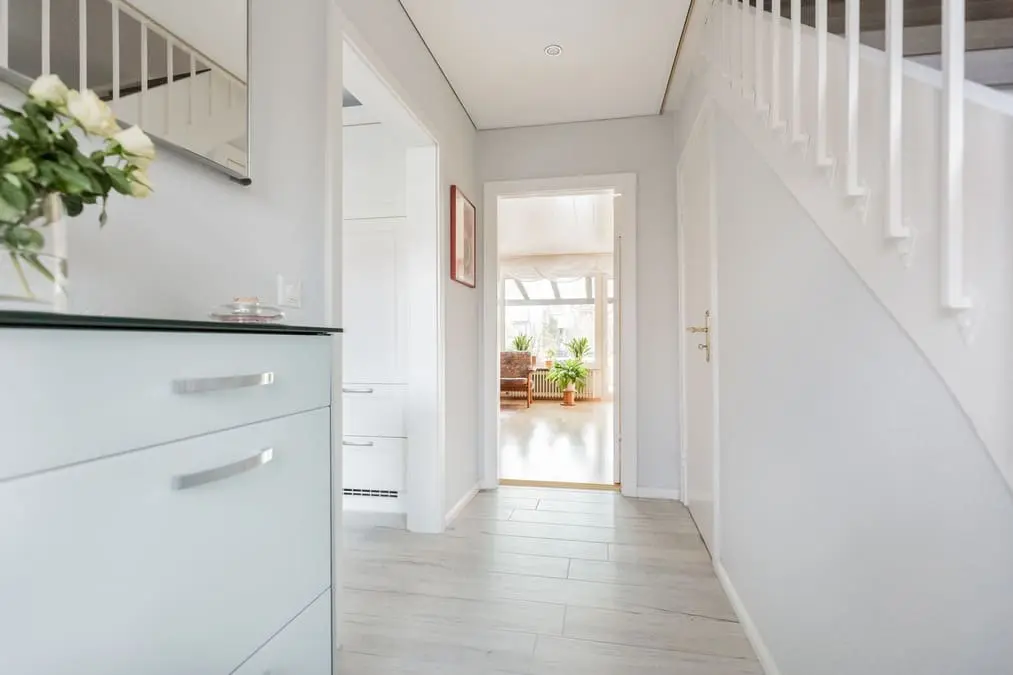
Busy areas in your home take far more daily abuse than quieter rooms. Hallways, stairwells, and entryways collect scuffs, fingerprints, and marks that cleaning alone can’t fix. Over time, this wear dulls colour and damages finishes, making even well-kept homes look dated.
Knowing how often you should repaint high-traffic areas helps preserve your walls and protect your home’s appearance. Professional painters treat these spaces differently from others, using specialized coatings, durable finishes, and routine upkeep to extend paint life. With the right interior painting services, your home stays cleaner, brighter, and better protected year after year.
What Counts as a High-Traffic Area
Not every room experiences the same level of wear. Some areas face far more contact simply because they connect major living spaces or handle daily foot traffic.
Professional painters define high-traffic zones as:
- Hallways and corridors connecting bedrooms, kitchens, and main living areas
- Entryways and mudrooms where shoes, bags, and coats constantly hit the walls
- Stairwells, where hands and feet regularly touch railings and walls
- Children’s bedrooms or playrooms, which see frequent bumps and marks
- Kitchens and family areas, where activity is constant
These rooms take more friction and impact than formal spaces like dining or guest rooms. That’s why professionals recommend using durable interior paint finishes that resist scuffs and make cleaning easier. Investing in professional interior wall painting helps maintain a flawless appearance longer, even in the busiest parts of your home.
How Often Should You Repaint High-Traffic Areas
Most busy spaces need a fresh coat of paint every few years — but there isn’t one fixed schedule that fits every home. Professional painters consider how much wear a room experiences, what kind of paint was used, and how well surfaces have been maintained.
Hallways, stairwells, and children’s play areas tend to show wear sooner, while rooms with higher-quality finishes or lighter use may last longer between repaints. The real key is to understand the warning signs and repaint before surface damage becomes visible.
Signs It’s Time to Repaint
High-traffic areas naturally collect scuffs, marks, and fingerprints that simple cleaning can’t remove. When paint begins to dull or lose its protective sheen, it’s time for a refresh.
Common signs include:
- Scuff marks or fingerprints that don’t wash off with gentle cleaning
- Fading or uneven colour compared to adjacent rooms
- Peeling, bubbling, or chipped paint near baseboards or corners
- Shiny patches where frequent contact has worn down the finish
- Discolouration near switches, railings, or doorways
If several of these signs appear at once, the protective layer is already breaking down — meaning your walls are vulnerable to further wear and moisture damage.
Why Skipping Repaints Can Cost You Later
Delaying repainting might seem like a harmless way to save money, but over time, worn paint exposes your walls to damage that costs more to repair.
Paint serves as a protective barrier against dirt, scuffs, and humidity. Once that barrier wears away, walls absorb grime faster and small dents can turn into visible cracks. That leads to:
- Deeper scuffs and scratches requiring sanding or patching
- Stains that seep into drywall
- Longer prep times for future projects
By repainting before visible damage sets in, you prevent costly repairs and maintain a cleaner, more polished home environment.
How Seasonal Timing Impacts Repaint Durability
When you repaint matters almost as much as how often you do it. Seasonal temperature and humidity can affect how well paint adheres, dries, and cures — all of which determine how long your walls stay looking fresh.
In high-traffic areas, timing becomes especially important because walls endure constant contact. If paint doesn’t cure properly, it won’t resist scuffs and marks for long.
Here’s how each season can influence results:
- Fall and spring provide ideal conditions for painting, with stable temperatures and moderate humidity that promote smooth curing.
- Winter can slow drying time and trap moisture indoors, especially if ventilation is poor.
- Summer heat and humidity can cause paint to dry too quickly or unevenly.
Professional painters plan projects around these conditions to ensure lasting protection. They also use low-odor, fast-curing products designed to perform well in any season — minimizing downtime in busy areas like hallways or staircases.
How Finish and Paint Quality Affect Longevity
Not all paints are created equal — and in high-traffic spaces, choosing the right finish and quality level makes a noticeable difference in how long your walls stay clean and durable.
Professional painters often recommend finishes that strike the right balance between washability, durability, and appearance. The sheen you select directly impacts how paint performs under frequent contact.
Here’s how common finishes compare:
- Satin and eggshell finishes offer a subtle sheen and stand up well to scuffs and fingerprints — ideal for hallways and stairwells.
- High-gloss and semi-gloss finishes are extremely durable and easy to clean, but best reserved for trim, doors, and accents.
- Matte paints with washable properties have become a popular choice for modern homes, combining a smooth appearance with easy maintenance.
Beyond finish, paint quality is equally important. Premium paints include stronger resins and pigments that resist fading and surface damage. Investing in high-quality paint may cost more upfront, but it extends the time between repaints and reduces labour in the long run.
Keep High-Traffic Areas Looking Fresh and Protected
High-traffic areas are the first to show wear — and the first to affect how your home feels overall. Repainting them regularly isn’t just about style; it’s an important part of protecting your home’s interior surfaces and preserving its long-term value.
Repainting every two to four years helps maintain both appearance and durability. Using high-quality, scuff-resistant paints ensures walls resist marks and remain easy to clean, even in the busiest spaces. The result is a home that looks polished and well-cared-for, without the frustration of frequent touch-ups.
When it’s time to refresh your walls, hiring a professional painter ensures the job is done efficiently and built to last. From surface prep to finish selection, experienced pros deliver results that extend the life of your paint — and your peace of mind. Wondering if your walls are due for a refresh? Let a professional painter assess the condition of your high-use areas and recommend a plan that fits your home’s needs.