

Are White Interior Walls Still in Style for 2026?
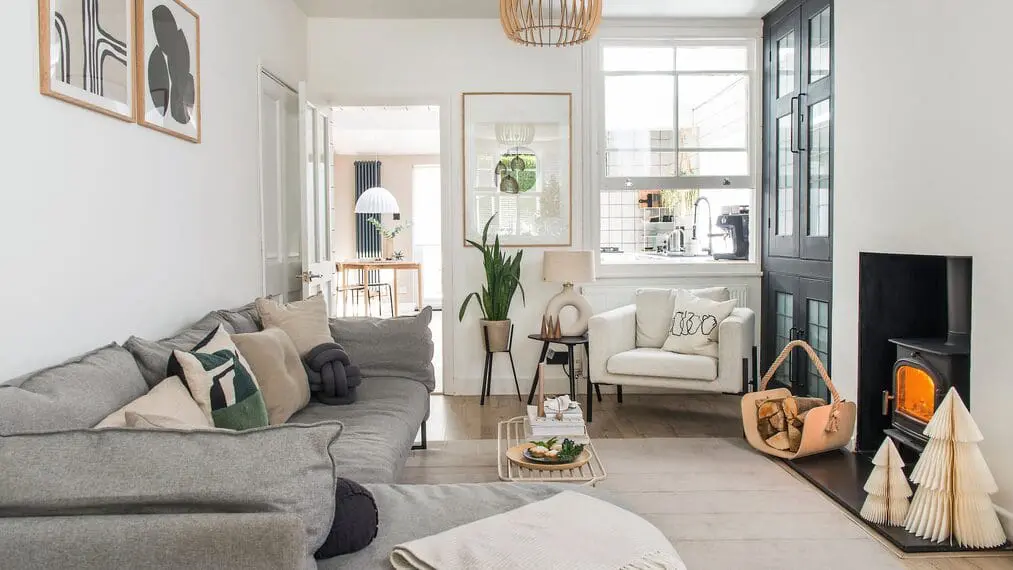
White walls have long been a go-to choice for interior design—clean, neutral, and easy to coordinate with any aesthetic. But with each new year comes a new wave of colour trends and design priorities, which has many homeowners asking: are white interior walls still in style for 2026?
As we move into a more curated, comfort-driven era of home design, white isn’t going away—but its role is shifting. Today’s designers and painters are using white more strategically, adapting the shade and its surroundings to fit updated preferences in texture, mood, and contrast.
In this post, we’ll explore where white still works, where it’s being replaced, and how professional painters help homeowners refresh their spaces without blindly chasing trends.
Why White Remains a Staple in Interior Design
Despite shifts in colour trends year after year, white still holds its ground for one very good reason: it works almost everywhere.
Professional designers and painters continue to recommend white in a wide range of settings, especially for homeowners looking to maximize light, space, and flexibility. Here’s why it’s still such a strong choice:
- It reflects natural light – White walls brighten dim rooms and can make even smaller spaces feel open and airy.
- It pairs with every design style – From modern to traditional, minimalist to farmhouse, white acts as a neutral base that plays well with virtually any décor.
- It’s renter- and resale-friendly – Whether you’re staging your home or planning to move in the next few years, white walls appeal to the broadest audience.
- It lets your furniture and accents do the talking – With a white backdrop, art, textiles, and architectural details become the focal point.
That said, the way white is being used in 2026 is changing. Homeowners aren’t just asking for “plain white walls” anymore—they’re getting more intentional about which white and how it interacts with other elements in the room.
Where White Walls Are Falling Out of Favour
While white continues to be popular, it’s no longer the go-to for every space. As design preferences evolve toward warmth and layered tones, some areas of the home are showing the limits of stark white walls—especially when texture, light, and maintenance needs are factored in.
Here are a few spaces where white is losing its appeal:
- Busy, high-traffic areas – Entryways, hallways, and stairwells tend to accumulate scuffs and smudges. White walls highlight every fingerprint and scratch, making upkeep more difficult.
- Rooms with cool, indirect lighting – In spaces with limited sunlight or north-facing exposure, crisp white can read as dull, blue-toned, or even sterile.
- Open-concept layouts lacking contrast – When everything is painted the same flat white, it can make architectural features disappear and reduce visual interest.
- Style-forward homes – More homeowners are working with interior painting professionals to incorporate rich colour palettes, subtle neutrals, or accent walls that create a more personalized aesthetic.
The takeaway? White isn’t “wrong,” but it’s not always right for every room. Professional painters can help evaluate how your space’s layout, lighting, and finishings interact with colour—and whether white still enhances or limits the design.
How Designers Are Using White Differently in 2026
White hasn’t disappeared—it’s just evolved. Rather than blanketing entire rooms in stark white, designers and professional painters are using softer, layered whites and incorporating them more thoughtfully into the overall design.
Here’s how the use of white is shifting in 2026:
- Layered tones over crisp whites – Instead of bright, clinical whites, homeowners are opting for warm off-whites, soft creams, or greige tones that add depth and softness without straying too far from neutral.
- Two-tone wall treatments – Pairing white with a deeper base colour on the lower half of the wall (or vice versa) is growing in popularity, especially in entryways and dining rooms.
- White as contrast, not default – Accent walls in earthy greens, rich browns, or deep blues are now often framed by subtle whites on trim, ceilings, or adjacent walls.
- Material-driven warmth – White walls are being used alongside wood tones, natural stone, linen textiles, and warm metal accents to keep them from feeling flat or sterile.
The goal isn’t to eliminate white, but to balance it with texture and intentional contrast. If your home currently leans on bright white in every room, a colour consultation with a professional painter can help reimagine the space without losing its light, clean feel.
When to Keep It Classic—and When to Explore Colour
White still makes sense in plenty of situations—but it’s not the best choice for every space. If you’re unsure whether to refresh your current palette or explore something new, there are a few practical and design-driven factors to consider.
Stick with white if:
- You’re prepping your home for resale and want universal appeal
- The space lacks natural light and needs brightness
- Your furniture, art, or finishes are colourful or bold
- You want a timeless backdrop that won’t clash with future décor changes
Consider colour if:
- The current white feels cold, flat, or washed out
- You want to add depth or coziness to a large or open-concept space
- The room has strong architectural features you’d like to highlight
- You’re drawn to warmer, more personalized design trends
Ultimately, the decision comes down to how you want your space to feel—and how each colour interacts with light, furnishings, and finishes. A consultation with a skilled painter can help you explore modern colour options that complement your style while still keeping things light and neutral if desired.
White Still Works—If You Use It With Purpose
As 2026 approaches, white walls aren’t going out of style—but they’re no longer the no-brainer they once were. Whether they still make sense for your space depends on how they’re used, how they interact with natural light, and how well they align with your design goals.
To recap:
- White is timeless, versatile, and still relevant in the right context
- But it needs to be intentional, layered, and styled with warmth and contrast
- Some spaces benefit more from colour, especially where white feels cold, flat, or high-maintenance
- A professional painting contractor can help assess your space and recommend the right white—or something better suited for your style
If you’re rethinking your walls but unsure where to start, don’t default to the same shade you’ve always used. Book a colour consultation with a pro who can help you explore timeless whites, subtle neutrals, or trending tones that make your space feel fresh for 2026 and beyond.