

When Peeling Paint Signals a Bigger Interior Issue
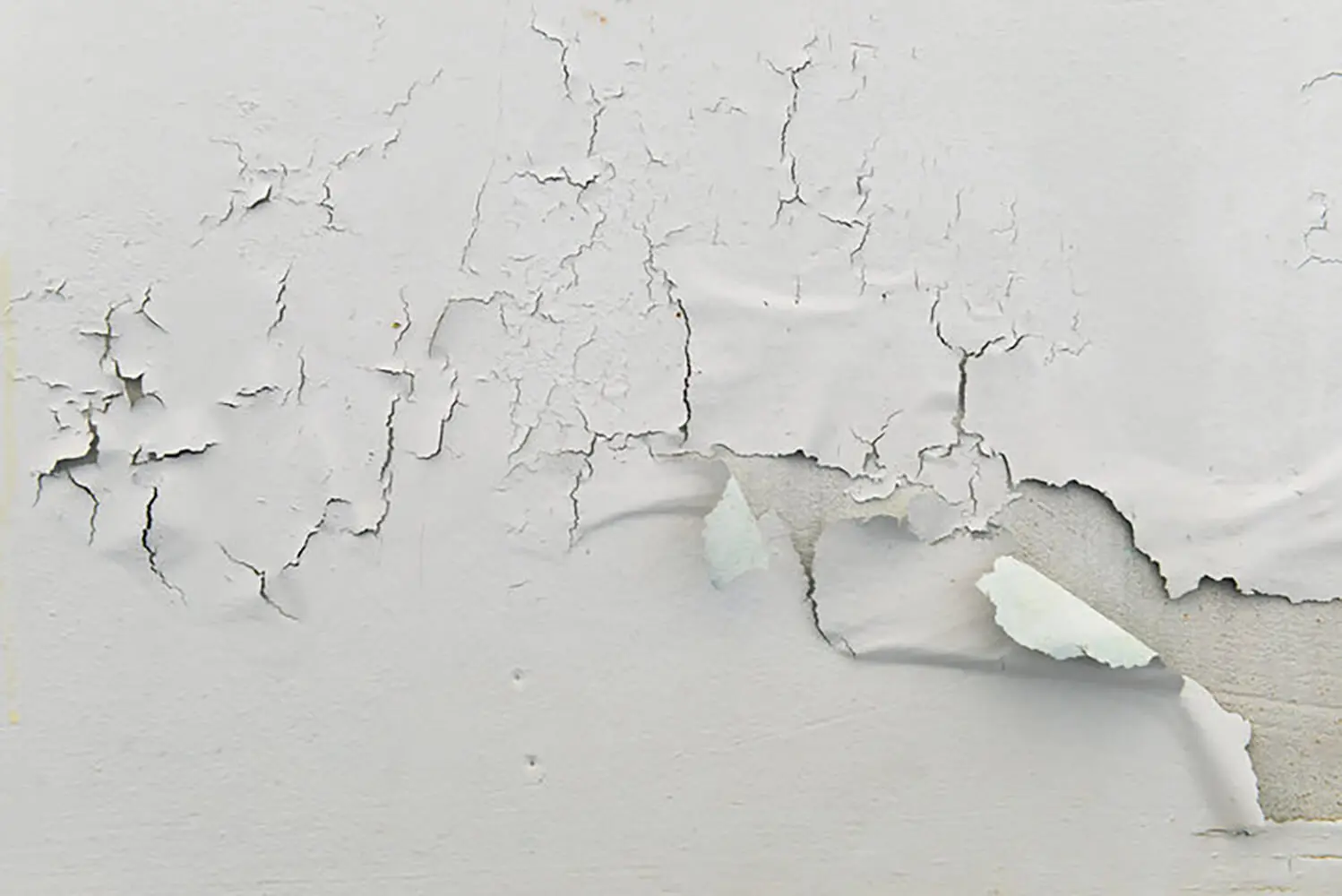
Peeling paint inside your home is easy to dismiss as an age issue or a bad paint job, but in many cases it’s a signal worth paying closer attention to. Homeowners often start searching for answers when the same spot keeps peeling back, spreads across a wall, or reappears shortly after repainting. That uncertainty is usually the first sign that the problem may go deeper than the surface. When peeling paint signals a bigger interior issue, repainting alone rarely solves it.
Interior paint is designed to stay bonded to walls for years, so when it begins separating, something has disrupted that bond. Sometimes the cause is straightforward, like poor surface preparation. Other times, peeling paint interior problems point to moisture, damaged drywall, or environmental conditions that are affecting the structure beneath the paint. The challenge for most homeowners is knowing which situation they’re dealing with before investing time and money into repairs.
This article breaks down what peeling paint actually means, why it happens indoors, and how to tell when it’s a cosmetic issue versus a warning sign of a larger interior problem. By understanding the most common interior paint peeling causes, homeowners can make smarter decisions about repairs, avoid repeat failures, and protect the condition of their walls instead of just covering up the symptoms.
What Peeling Paint Is — And How It’s Different From Other Interior Paint Problems
Peeling paint occurs when the paint film loses adhesion and lifts away from the surface in sheets, strips, or curled edges. Instead of breaking apart into small chips, the paint separates as a layer, often exposing bare drywall, plaster, or older paint underneath.
This distinction matters because peeling points to a failure in how the paint bonded to the surface, not just surface wear.
Peeling paint is different from other common interior paint issues homeowners see, such as:
- Cracking, where paint splits into fine lines but remains attached
- Flaking, where small brittle pieces chip off over time
- Bubbling or blistering, where raised pockets form but haven’t fully detached yet
While all of these can look similar at first glance, peeling is more severe because it means the paint has already lost its grip on the wall. Once that bond is broken, the paint will continue to release unless the underlying cause is addressed.
Peeling is also more concerning than simple cosmetic defects because it often signals an ongoing condition rather than a one-time issue. Normal aging paint tends to fade, scuff, or crack slowly. Peeling usually occurs when adhesion is disrupted during painting or over time beneath the surface.
Understanding this difference helps homeowners recognize why peeling paint deserves closer inspection instead of a quick touch-up or another coat of paint.
When Peeling Paint Signals a Bigger Interior Problem Inside the Walls
Peeling paint is a red flag when the cause extends beyond the paint and comes from conditions inside the wall. In these cases, the paint is reacting to stress, movement, or moisture that it was never designed to handle.
One of the most common contributors is hidden moisture. Water can enter walls through slow plumbing leaks, minor roof issues, or condensation from bathrooms and kitchens with poor ventilation. As moisture builds up behind the surface, it weakens the bond between the paint and the wall, eventually forcing the paint to release.
Damage to the wall material itself also plays a major role. When drywall paper becomes saturated or compromised, paint can no longer adhere properly. In older homes, aging or deteriorating plaster can create similar problems, especially as it expands and contracts with temperature changes.
Environmental conditions inside the home can compound these issues. Frequent swings in temperature and humidity cause walls and paint layers to expand and contract at different rates. Over time, this movement weakens paint adhesion, especially in areas already affected by moisture or material wear.
What makes these peeling paint interior problems especially challenging is that they often develop slowly. The underlying issue can exist for years before paint fails, making peeling one of the first visible warning signs.
How Improper Surface Preparation Leads to Paint Peeling Without a Bigger Issue
Not all peeling paint points to hidden damage inside the walls. In many homes, the problem traces back to how the surface was prepared before painting. When paint can’t properly grip the surface from the start, it may peel even if the wall itself is structurally sound, which is why understanding how professionals prepare interior walls before painting can make a big difference.
Surface-prep-related peeling often happens when paint is applied over contaminants or incompatible surfaces. Common examples include:
- Dust, grease, or residue left on walls, especially in kitchens and high-traffic areas
- Glossy or semi-gloss finishes that weren’t sanded or deglossed
- Old paint that was already failing or chalking
- Minor drywall repairs that weren’t sealed with primer
In these cases, the paint looks fine initially. The failure shows up weeks or months later as the new coat begins lifting in patches or strips. Unlike moisture-related peeling, this type of failure is usually localized to specific areas and doesn’t continue spreading once the weak paint is removed.
Timing is an important clue. Prep-related peeling tends to happen relatively soon after painting and remains confined to the areas where adhesion was compromised. The wall beneath typically feels dry, firm, and intact.
When poor preparation is the root cause, repainting can be successful—but only if the surface is properly cleaned, repaired, primed, and prepared before new paint is applied.
How to Decide If Peeling Paint Is Cosmetic or Something You Should Be Concerned About
The hardest part for many homeowners is figuring out whether peeling paint is just an eyesore or a warning sign. While some situations are harmless, others point to conditions that shouldn’t be ignored.
Start by looking at where the peeling is happening. Peeling near bathrooms, kitchens, basements, or exterior walls is more often caused by moisture or environmental stress. Peeling isolated to a single repaired spot or previously painted-over area often points to surface preparation issues instead.
The pattern of the peeling also matters. Cosmetic peeling tends to stay contained and predictable. More serious interior paint peeling causes often show up as:
- Paint lifting across larger sections of wall or ceiling
- Peeling that keeps spreading beyond the original area
- Repeated failure in the same spot after repainting
Physical clues can help guide your decision. Soft drywall, discoloration, staining, or a musty odor behind peeling paint suggest moisture involvement. Dry, solid walls with clean separation lines are more consistent with adhesion problems.
Finally, consider timing and history. If peeling appears long after painting, worsens during humid seasons, or has happened more than once, checking out advice on how often you should repaint high-traffic areas can help you put recurring paint issues into perspective.
Why Identifying the Cause of Peeling Paint Matters Before You Repair or Repaint
Peeling paint is never just a surface-level annoyance. It’s a visible reaction to something going wrong between the paint and the wall, and the reason behind that failure determines what needs to happen next. Treating all peeling paint the same way often leads to frustration, wasted money, and repeat repairs that don’t last.
When the cause is improper surface preparation, the solution may be straightforward. Correcting the prep work allows new paint to bond properly and restores the finish as expected. But when peeling paint signals a bigger interior issue, repainting without addressing the root problem only hides the symptoms temporarily. Moisture, damaged drywall, or ongoing environmental stress will continue to break down the paint layer no matter how many coats are applied.
Taking the time to identify why the paint is peeling protects more than just the appearance of your home. It helps preserve the condition of your walls, prevents hidden damage from worsening, and gives you clarity on what kind of repair is actually needed. In many cases, early evaluation can limit the scope and cost of repairs.
If you’re dealing with peeling paint and want it handled correctly, we can help. At Marleau Action Maintenance, we look beyond the surface to make sure interior issues are properly addressed before any painting begins. Our interior painting services focus on the right preparation, repairs when needed, and results that last. If you’re unsure what’s causing the problem, reach out to Marleau Action Maintenance and let us take a closer look.