
What Causes Paint to Fail on Interior Walls in Whitby Homes
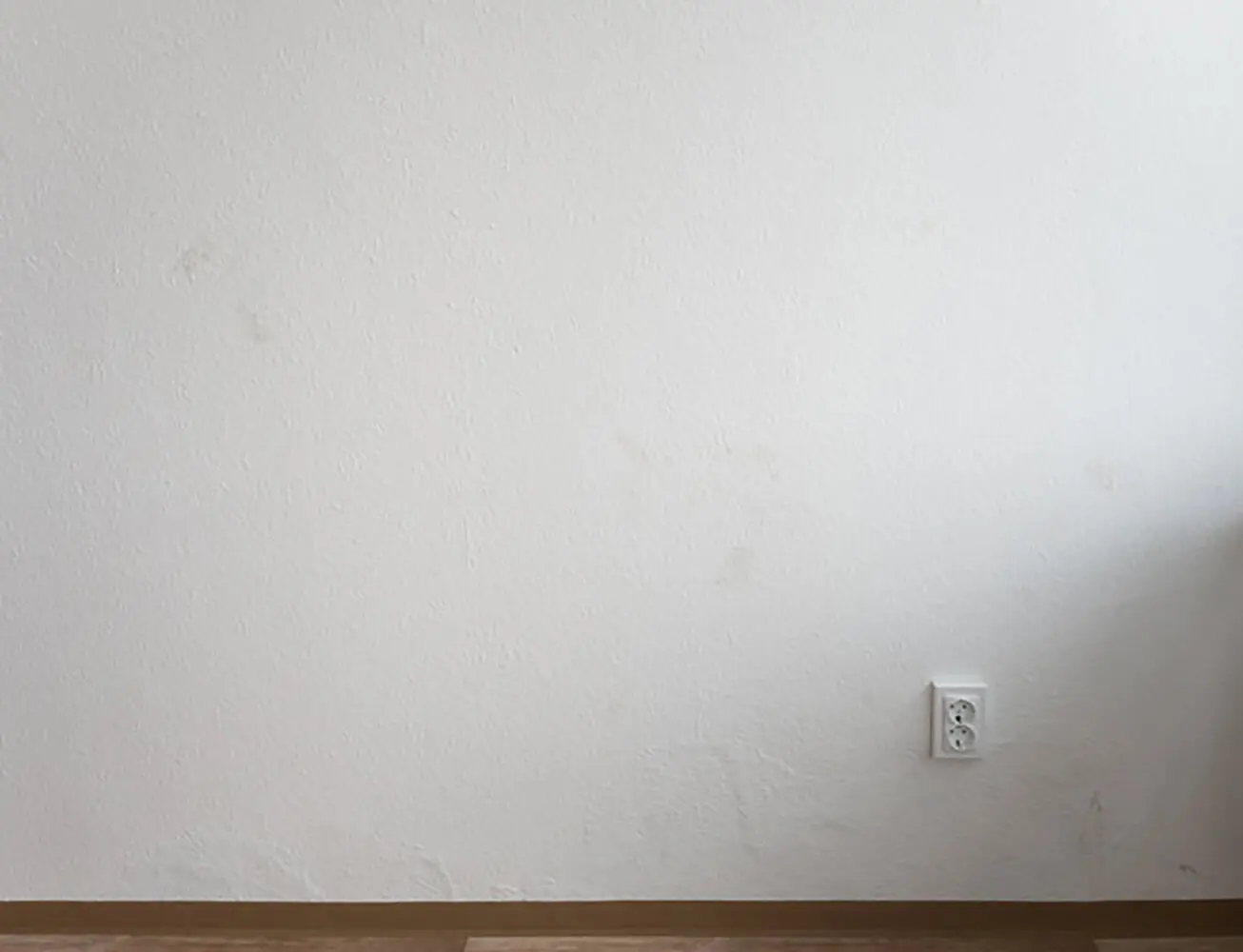
Freshly painted walls are supposed to feel like a reset. Clean lines, smooth colour, a space that feels finished and cared for. That’s why it’s so frustrating to see peeling corners, small cracks forming along seams, or bubbles appearing on walls that aren’t even that old.
When this happens, most homeowners start asking the same question: what causes paint to fail on interior walls in Whitby homes specifically?
The answer is rarely random. Interior paint failure usually reflects something happening beneath the surface. It can be tied to seasonal heating cycles, hidden moisture, surface preparation issues, or product choices that don’t match the room’s conditions. In many cases, the paint is simply reacting to its environment.
Understanding why paint fails matters because repainting alone doesn’t fix the underlying issue. If the root cause isn’t addressed, the same problem often returns.
In this post, we’ll break down the most common drivers behind interior paint failure in Whitby homes and what those signs typically indicate about the condition of your walls.
Why Interior Paint Failure Often Starts Beneath the Surface
Interior paint failure is usually a symptom, not the root problem.
When paint peels, cracks, or bubbles, it often reflects instability underneath the visible finish layer. The paint itself is designed to bond tightly to drywall, plaster, or previously painted surfaces. If that bond weakens, something below the surface has typically changed.
For paint to perform properly, three conditions need to be stable:
- The surface must be clean, dry, and structurally sound
- The paint must properly adhere to the layer beneath it
- Indoor temperature and humidity must remain reasonably controlled
If any of those conditions shift, the paint layer becomes vulnerable.
For example, drywall that absorbs moisture can expand slightly. As it dries out, it contracts. That movement may be small, but over time it stresses the paint film. Similarly, dust, residue, or glossy old finishes can prevent proper bonding, leading to peeling months later.
This is why simply repainting rarely solves recurring paint failure Whitby interiors experience. If the underlying cause is moisture, movement, or poor adhesion, a fresh coat will often fail in the same pattern.
Before repainting, the focus should always be on identifying what the paint is reacting to, not just how it looks.
How Whitby’s Heating Season Creates Stress on Painted Walls
Whitby’s long winters mean months of consistent indoor heating. While that keeps homes comfortable, it also creates subtle stress on interior surfaces.
Forced-air systems, baseboard heaters, and fireplaces gradually dry out the air. When indoor humidity drops, materials inside the home begin to contract. Drywall, wood trim, and joint compounds all respond to these seasonal shifts.
Over time, that expansion and contraction cycle can lead to:
- Hairline cracks along drywall seams
- Separation where walls meet ceilings or trim
- Small fractures in older paint layers
- Flaking or brittleness in high-stress corners
The changes may not be dramatic at first. Many homeowners only notice them as fine lines or small chips that seem to appear each winter.
In some cases, the issue becomes more visible during spring when humidity rises again. Materials expand, and the paint film, already stressed from months of dryness, begins to lift or split.
These patterns are common in interior paint failure Whitby homes experience because the seasonal heating cycle repeats year after year. The paint isn’t necessarily defective. It is reacting to environmental stress.
Recognizing the seasonal connection helps explain why certain cracks reappear in the same places and why repainting alone doesn’t always prevent them from returning.
Moisture Issues That Commonly Lead to Peeling or Bubbling Paint
Moisture is one of the most common causes of peeling or bubbling paint, and it is often present long before homeowners see visible damage.
It is easy to assume that paint only fails when there is an obvious leak, but interior moisture problems are frequently more subtle. Condensation can build up behind walls during temperature swings. Bathrooms and kitchens can trap humidity if ventilation is limited. Basements and exterior-facing walls may absorb dampness during wet seasons without ever showing standing water.
When moisture becomes trapped beneath the paint film, it weakens adhesion. The paint begins to separate from the surface below it, creating bubbles, soft spots, or areas that feel slightly raised to the touch. In some cases, stains appear first. In others, the paint surface becomes uneven before it eventually peels away.
This type of damage is rarely just a cosmetic issue. Bubbling, staining, or persistent softness often signals an environmental condition that needs to be addressed. Simply scraping and repainting over the affected area does not resolve the source of the moisture.
In many cases of interior paint failure Whitby homes experience, the visible damage is only the final stage of a longer moisture cycle happening behind the surface.
When Surface Preparation Is the Real Cause of Early Paint Breakdown
Not all paint failure is caused by environmental conditions. Sometimes the issue begins before the first coat ever goes on.
Proper surface preparation before painting makes a major difference in how well paint adheres to walls. If walls were not thoroughly cleaned, repaired, sanded, or primed before painting, adhesion can be compromised from the start. The finish may look smooth initially, but it lacks the grip needed to hold up over time.
Common preparation issues include painting over dust or residue, failing to repair minor drywall damage, skipping primer on patched areas, or applying new paint over glossy surfaces without proper sanding. Each of these shortcuts reduces how well the paint film attaches to the wall.
When adhesion is weak, failure tends to follow predictable patterns. Paint may peel in sheets rather than small flakes. Edges may lift around patches or along trim lines. Areas that were previously repaired may break down faster than surrounding surfaces.
Many cases of recurring paint failure Whitby interiors experience can be traced back to prep quality. Even high-quality paint cannot compensate for poor surface conditions underneath.
When paint fails sooner than expected, it is often worth asking not just what was used, but how the surface was prepared before application.
Product and Finish Mismatches Inside the Home
Even when surfaces are properly prepared, paint can still fail if the product or finish doesn’t match the room’s conditions.
Not all interior paints are designed for the same environments, and choosing the right type and finish matters. Some are formulated for low-traffic living spaces, while others are built to withstand humidity, cleaning, and daily wear. When the wrong system is used, durability suffers.
Common product and finish mismatches include:
- Using flat or matte finishes in bathrooms or kitchens where humidity levels fluctuate frequently
- Skipping primer in high-stain or repaired areas where sealing is necessary
- Applying standard interior paint in basements with elevated moisture conditions
- Mixing incompatible paint types without proper surface preparation between coats
- Choosing low-durability products in hallways, entryways, or children’s rooms that require frequent cleaning
In these situations, the paint may initially look uniform and well applied. Over time, however, it can soften, discolour, peel, or wear unevenly because it was not designed for that environment.
Even good workmanship cannot fully compensate for the wrong product choice. Matching the paint system to the room’s conditions is a critical part of preventing interior paint failure in Whitby homes.
When Paint Failure Suggests a Bigger Underlying Condition
Sometimes paint failure is localized and predictable. Other times, it continues to spread or reappear even after repairs. When that happens, it may point to something beyond the paint layer itself.
Repeated cracking in the same areas can indicate structural movement or settling. Persistent peeling along exterior-facing walls may reflect moisture intrusion that has not been resolved. Staining that returns after repainting often suggests ongoing humidity or ventilation issues inside the wall cavity.
In these cases, the paint is responding to instability beneath it. The visible damage becomes a surface-level signal of a deeper condition.
Spreading peeling, soft drywall, or areas that feel unstable to the touch should not be treated as cosmetic problems alone. Covering them with fresh paint may temporarily improve appearance, but it does not correct the source of movement or moisture.
Identifying whether the issue is environmental, structural, or surface-related is more important than simply restoring colour. When paint continues to fail in the same locations, it is usually communicating that something beneath the surface needs attention.
Wrap-Up: Interior Paint Failure in Whitby Homes Has a Pattern and a Cause
Interior paint rarely fails without a reason. Peeling, cracking, bubbling, or staining usually reflect conditions happening beneath the surface.
In Whitby homes, common drivers include seasonal heating cycles that dry and stress materials, hidden moisture that weakens adhesion, surface preparation issues that prevent proper bonding, or product choices that do not match the room’s demands. In some cases, repeated failure can signal movement or environmental instability that needs closer attention.
The key takeaway is simple. Paint is often reacting, not malfunctioning.
Understanding what interior paint damage indicates helps homeowners avoid repeating the same repair cycle. Instead of just covering the visible symptom, the focus should be on identifying and correcting the root cause.
If your walls are peeling, cracking, or showing signs of recurring paint failure, it may be time to look beyond a simple touch-up. At Marleau’s Action Maintenance Ltd, we take the time to identify the cause before applying a fresh coat. Our interior painting services focus on proper preparation, product selection, and long-term durability. Contact us today to schedule an assessment and let us help restore your walls the right way.