

How to Choose an Interior Paint Colour You Won’t Regret
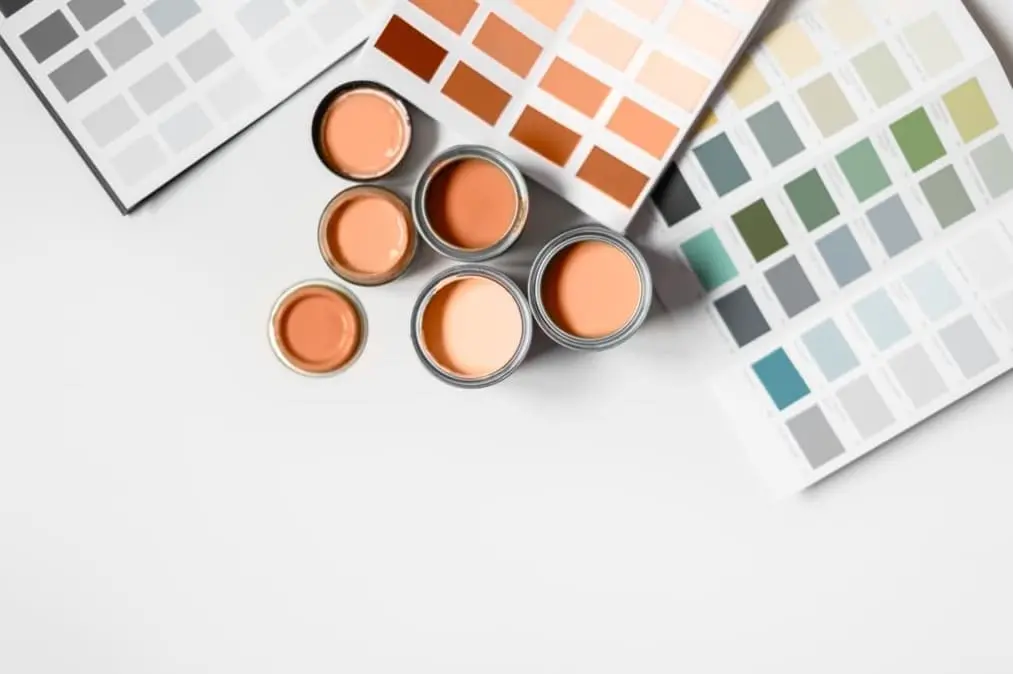
Nothing transforms a room faster than a fresh coat of paint — but the wrong colour can quickly turn excitement into frustration. A shade that looked perfect under showroom lights might feel too bright, too dull, or completely mismatched once it’s on your walls.
Knowing how to choose an interior paint colour you won’t regret later can save you from costly repaints and daily annoyance. Professional painters understand that colour selection is about more than preference – it’s an essential part of any interior painting project. It involves balancing light, undertones, finish, and how each room functions.
By following a few proven steps, you can choose a shade that complements your home’s lighting, enhances its design, and stays timeless long after trends fade.
Steps to Choose an Interior Paint Colour You Won’t Regret
Every great interior colour choice follows a process — not guesswork. The most reliable way to avoid paint regret is by evaluating your space step by step before opening a single can. These steps help homeowners make confident decisions based on lighting, layout, and design harmony, not passing trends.
Step 1 — Understand the Lighting in Your Space
Lighting changes how every paint colour appears, and it’s the first factor professionals analyze before painting a wall.
Natural daylight, artificial lighting, and even window direction can dramatically alter tone and depth. A shade that looks like warm beige in the store may turn yellow in bright sunlight or dull gray under LEDs.
Here’s how different types of light affect paint colours:
- North-facing rooms receive cooler, bluish light that mutes colours.
- South-facing rooms get bright, warm light that amplifies warmth and saturation.
- East-facing rooms start warm in the morning but cool throughout the day.
- West-facing rooms stay neutral early and glow golden in late afternoon light.
Artificial lighting matters too. Incandescent bulbs warm up cooler shades, fluorescent lights flatten richer tones, and LEDs vary by temperature.
By studying both natural and artificial light, professional painters ensure your chosen shade looks intentional and balanced — not like a different colour every hour.
Step 2 — Test Large Swatches, Not Just Paint Chips
Paint chips might look convincing in the store, but they rarely reflect how colour behaves in your home. Store lighting is bright, artificial, and often warmer than the light in most living spaces. That means the colour you loved under those lights could appear completely different once applied to your walls.
Professional painters always recommend testing large samples directly on the surface you plan to paint. A swatch that’s at least 2×2 feet gives a much more realistic sense of how the colour interacts with both natural and artificial light throughout the day.
Here’s why this step is essential:
- Lighting shifts dramatically — a colour that feels soft at sunrise might look dull or heavy by evening.
- Wall placement matters — paint on shaded walls appears darker than on those hit by direct sunlight.
- Finish changes perception — matte, eggshell, and satin finishes each reflect light differently, slightly altering tone.
By applying large samples on multiple walls, you can see the colour in real conditions — not just under perfect showroom light. This small test prevents regret and ensures your final choice feels right in every corner of the room.
Step 3 — Match Colour to the Room’s Purpose
A paint colour shouldn’t just look beautiful — it should feel right for how you use the space. Professional painters often start by asking how each room functions before recommending a palette. The goal is to align colour with both purpose and emotion.
Think about what each area of your home needs to achieve:
- Bedrooms benefit from soft, muted tones that promote calm and rest.
- Home offices work best with energizing shades that improve focus and motivation.
- Living and dining areas often feel most welcoming with warm neutrals or soft transitional hues that create flow between rooms.
When colour supports how you live, it naturally feels timeless. A trendy shade might look stylish for a season, but a well-chosen tone makes your home comfortable year-round.
By matching colour to the room’s purpose, you create spaces that not only look polished but also function beautifully — a combination that lasts far longer than any trend.
Step 4 — Choose an Undertone That Complements Your Home
Even the most neutral paint colours have undertones — subtle hints of warmth or coolness that affect how they look in different lighting and next to other finishes. Professional painters always assess undertones before finalizing a shade because they determine whether a colour feels cohesive or out of place once applied.
Paint typically falls into three undertone categories:
- Warm undertones (yellow, red, or peach) add coziness and work well with natural wood tones.
- Cool undertones (blue, green, or violet) create a crisp, airy atmosphere ideal for modern interiors.
- Neutral undertones strike a balance and adapt easily to both warm and cool furnishings.
Before committing to a colour, compare sample swatches next to your fixed design elements like flooring, cabinetry, and trim. For example, a greige that looks balanced in the can might appear green beside white tile or pink near oak trim.
By identifying and matching undertones to your home’s existing finishes, you’ll ensure every wall colour feels intentional, not accidental — and you’ll love the result from every angle.
Step 5 — Select the Right Paint Finish
Colour might set the mood of a room, but the paint finish determines how that colour performs and feels day to day. Professional painters never choose colour without also considering the finish — it affects light reflection, durability, and maintenance.
Different finishes offer distinct benefits depending on the room’s purpose:
- Flat or matte finishes create a smooth, elegant look that hides imperfections but are best for low-traffic areas.
- Eggshell adds a gentle sheen that’s easy to clean, perfect for living rooms or hallways.
- Satin offers subtle shine and moisture resistance, ideal for kitchens, bathrooms, and trim.
- Semi-gloss or gloss finishes are durable and reflective but reveal surface flaws more easily.
Even with the same colour, a satin finish can appear lighter than matte. That’s why painters choose finish and colour together, ensuring the final look suits lighting, surface texture, and how the space is used. The right finish keeps your walls beautiful longer — and makes cleaning and touch-ups effortless.
Get Professional Help Choosing a Paint Colour You’ll Love
Even with testing, comparing, and planning, choosing paint can still feel overwhelming — and that’s perfectly normal. A professional painter sees what most homeowners can’t: how colour, lighting, finish, and room flow all work together in real life.
During a colour consultation, painters assess your home holistically. They’ll consider:
- Lighting patterns — how natural and artificial light shift throughout the day.
- Fixed finishes like flooring, trim, and cabinetry that influence undertones.
- Room use and atmosphere — what you want each space to feel like.
- The right finish and product to ensure durability and visual consistency.
This expert guidance helps you avoid costly mistakes and colour regret. Instead of second-guessing every option, you’ll move forward with a professional plan that ensures every wall complements your home’s design and your personal style.
Make Colour Decisions You’ll Feel Confident About
Choosing the right interior paint colour isn’t about following trends — it’s about finding a shade that truly fits your home. The process takes patience and planning, but when done correctly, it transforms your space and protects your investment for years to come.
By studying lighting, testing large swatches, matching colours to each room’s purpose, and understanding undertones and finishes, you remove the guesswork from design decisions. Each step ensures your chosen colour looks intentional, balanced, and timeless.
When you work with a professional painter, you gain expert insight into how colours perform in real homes — not just in photos or showrooms. From evaluating your walls to perfecting the final coat, their experience helps you make decisions you’ll never second-guess.
Need help narrowing down your perfect shade? Schedule a colour consultation with a painting expert who can guide you through every step — from swatches to final finish.